
 Dog Care
 Cat Care
 Small Pets
 Pet Food & Nutrition
 Training & Behavior
 Pet Care & Grooming
 Pet Gear & Supplies
 New Pet Owners

How to Care for a Cat: A Beginner’s Guide
You’ve signed the adoption papers, or a friendly stray has decided your porch is home. Now there’s a cat in your living room, staring at you, and you’re wondering what you forgot. Learning how to care for a cat is less complicated than it looks. Cats need the right food, clean water, a spotless litter box, a safe home, regular vet care, and daily play. This guide walks through each one, plus the warning signs that mean it’s time to call a vet.
Quick Answer: The Basics of Cat Care
- Feed a complete-and-balanced cat food and keep fresh water available at all times.
- Provide one litter box per cat, plus one extra, and scoop it daily.
- Cat-proof your home and keep your cat indoors, or give outdoor time only in a secure enclosure or on a harness.
- Schedule a vet visit soon after adoption, then regular checkups. Your vet sets the vaccine, parasite-prevention, and feeding plan.
- Play with your cat daily, and give scratching posts and perches.

What You Need Before Your Cat Comes Home
Set things up before day one. It’s much easier than scrambling at 9 p.m. because your new cat is hungry and hiding under the couch.
Here’s a basic starter list with rough US costs (prices vary by brand and location):
- Food and water bowls (shallow, wide, ceramic or stainless steel): about $10-$25
- Litter box and unscented clumping litter: about $25-$60 to start
- Scratching post (tall and sturdy) or a scratcher pad: about $15-$60
- Carrier (hard-sided with a top opening is easiest): about $30-$70
- Toys, including a wand toy: about $10-$30
- Bed or blanket: about $15-$40
- Brush and cat nail clippers: about $15-$30
Expect roughly $150-$400 for initial supplies. Ongoing food and litter often run about $40-$100 a month, depending on the products you choose. Vet costs are separate, and we’ll cover them below.
How to Feed a Cat
Cats are obligate carnivores, which means they need nutrients found in animal-based foods. Look for a food labeled “complete and balanced” for your cat’s life stage (kitten, adult, or senior). In the US, that wording usually refers to nutritional adequacy standards, and similar labeling exists in other regions.
Wet, dry, or both? Each has trade-offs:
- Wet food adds water to your cat’s diet, which many owners find helpful. It’s usually pricier and spoils if left out.
- Dry food is convenient and cheaper, and it keeps well. Cats often drink less alongside it, and it’s easy to overfeed.
- A mix works well for many households.
How much? Portions depend on your cat’s age, weight, activity level, and health. Package guidelines are a starting point, and your vet can tell you the right amount. Kittens eat more often than adults, and senior cats may need a different diet entirely.
Water. Keep fresh water out all day. Some cats prefer a wide bowl (whiskers can feel crowded in narrow ones), and some love a pet fountain. Place water away from the litter box.
Foods to keep away from your cat. Onions, garlic, chocolate, grapes and raisins, alcohol, and anything with xylitol are known dangers. Raw dough and caffeine are also risky. Severity depends on the amount eaten and your cat’s size, so if your cat gets into something, call your vet or a pet poison helpline right away. Never wait to see what happens.
One more warning: lilies are extremely dangerous for cats. Even small exposures, including pollen or vase water, can be serious. Keep them out of your home and ask your florist for cat-safe bouquets.
Setting Up the Litter Box

Most litter problems come from setup, not stubborn cats. Follow these basics:
- Use one box per cat, plus one extra. Two cats means three boxes.
- Pick a quiet, easy-to-reach spot. Avoid noisy laundry rooms or spots next to food bowls.
- Choose a box roughly 1.5 times your cat’s body length. Many cats dislike cramped, covered boxes.
- Start with unscented clumping litter, about 2 inches (5 cm) deep. Strong perfumes put many cats off.
- Scoop at least once a day and wash the box with mild, unscented soap every few weeks.
If your cat suddenly starts going outside the box, don’t scold them. Pain, illness, and stress can all cause this, so a vet check comes first. Scolding makes things worse.
Make Your Home Safe
Cats climb, squeeze, chew, and investigate everything. A quick walk-through helps:
- Secure window screens and balcony doors. Cats can fall from heights.
- Hide electrical cords or use cord covers.
- Put away string, ribbon, rubber bands, and hair ties. Swallowed string can cause a serious emergency.
- Store human medications, cleaning products, and houseplants (check each one’s safety) out of reach.
- Close toilet lids, washers, and dryers. Check before you start a load.
Indoor or outdoor? Many veterinary organizations recommend keeping cats indoors, because outdoor cats face cars, predators, fights, and parasites. If you want your cat to enjoy the outdoors, a screened “catio” or supervised harness time is a safer middle ground. A cat that’s new to harnesses needs patience and treats.
Helping Your Cat Settle In
Your new cat may hide for a day or several. That’s normal. Here’s how to help:
- Start in a single small room with food, water, a litter box, and a hiding spot. Then expand their territory gradually.
- Let your cat come to you. Sit quietly nearby, read a book, and offer treats.
- Keep the routine steady. Feed at consistent times and keep the noise down at first.
Some cats settle in a few days, and shy or rescued cats may need weeks. If your cat isn’t eating or drinking at all, call your vet.
Play, Scratching, and Training
Bored cats get into trouble. They shred sofas, pounce on ankles, and yowl at night. Daily play prevents most of that.

- Play in short sessions, usually two or three a day, about 10-15 minutes each. Use a wand toy so your cat can stalk and pounce. Let them “catch” it at the end.
- Don’t use your hands or feet as toys. Kittens that bite hands grow into cats that bite hands.
- Offer a tall, sturdy scratching post near where your cat sleeps or by the couch they target. Scratching is a normal need, not misbehavior.
- Add vertical space, such as a cat tree or a shelf by the window. Cats feel safer up high.
Training. Cats respond to rewards. If your cat scratches the sofa, move a scratching post next to it and reward them with a treat when they use it. Never spray, yell at, or punish a cat. It damages trust and often makes problems worse. Declawing is a painful surgery and isn’t recommended. If scratching or aggression becomes a real problem, talk to your vet first, since pain can change behavior, and then consider a qualified behaviorist.
Vet Care for a New Cat
Book a vet visit soon after you bring your cat home, ideally within the first week or two. The vet will check overall health, discuss vaccines, and talk about parasite prevention.
Your vet will set the right schedule for vaccinations, deworming, and flea and tick prevention, since these depend on your cat’s age, health, lifestyle, and where you live. Don’t buy flea products on your own. Some dog products are toxic to cats.
Ask your vet about these, too:
- Spaying or neutering, usually recommended
- Microchipping, which helps reunite lost cats with owners
- Dental care and weight, both of which affect long-term health
Rough first-year costs: Many owners spend about $200-$600 or more on exams, vaccines, and spay/neuter, depending on where they live and whether they adopt from a shelter (which often includes some of this). Prices vary, so call a few clinics.
Consider pet insurance or a small emergency fund. Unexpected vet bills are common.
Basic Grooming
Brushing. Short-haired cats do fine with a weekly brush. Long-haired cats may need brushing several times a week to prevent mats. Start with short sessions and treats.
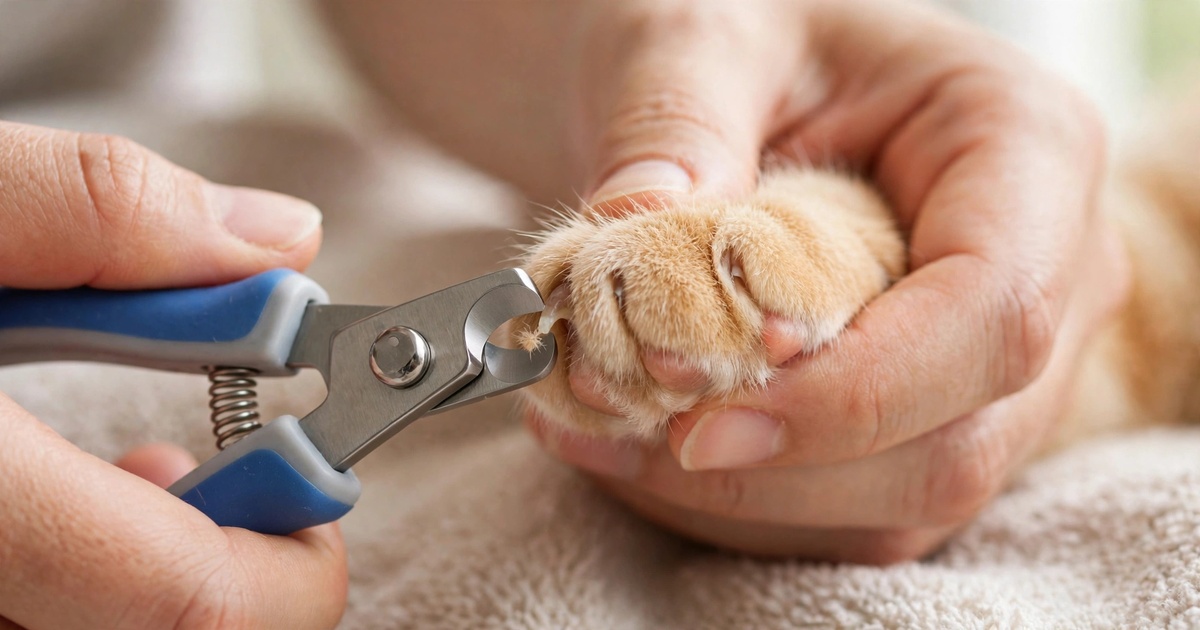
Nail trimming. Clip only the sharp tip. Each nail has a pink “quick” containing blood vessels and nerves, and cutting it hurts and bleeds. If you’re nervous, ask your vet or a groomer to show you first. A calm cat, good light, and sharp clippers help, and stopping early is always fine.
Teeth. Dental disease is common in cats. Ask your vet about brushing with cat-safe toothpaste. Never use human toothpaste.
Baths. Most cats rarely need them, and many hate them. If your cat gets into something sticky or toxic, call your vet or a groomer before attempting a bath.
Ears and eyes. A little dirt is normal. Redness, a strong smell, heavy discharge, or constant scratching means a vet visit. Don’t put anything into your cat’s ears unless your vet says so.
Mistakes New Cat Owners Make
- Skipping the first vet visit because the cat “seems fine.” Cats hide illness well.
- Free-feeding dry food without watching weight. Gradual weight gain is easy to miss.
- Using the wrong litter setup. Too few boxes, harsh scents, or a dirty box cause most litter problems.
- Punishing normal behavior. Scratching, climbing, and nighttime zoomies are cat behavior, so redirect them instead.
- Giving human medication. Common pain relievers can be deadly to cats. Never give any medication unless your vet prescribes it.
- Ignoring subtle changes. Hiding, skipping meals, or changes in litter habits matter.
When to See a Vet
You know your cat best. If something seems off, call your vet. Contact them promptly for:
- Not eating for a day or more, or drinking much more or much less than usual
- Vomiting or diarrhea that keeps happening
- Weight loss or gain, or a change in energy
- Sudden changes in litter box habits
- Limping, hiding, or aggression that’s new
- Bad breath, drooling, or trouble chewing
- Eye or nose discharge, or constant sneezing
Go to an emergency vet immediately if your cat:
- Is straining to pee or makes repeated trips to the litter box with little or no urine. This can be a life-threatening blockage, especially in male cats.
- Has trouble breathing, breathes with an open mouth, or has blue or pale gums
- Has a seizure or collapses
- May have eaten something toxic (lilies, medications, chocolate, xylitol, string, or anything else). Call your vet or a pet poison helpline immediately.
- Has been hit by a car or has had a serious fall
Don’t wait to see if it passes, and don’t try home remedies.
FAQ
How often should I feed my cat?
Adult cats usually do well with two or more meals a day, while kittens need more frequent meals. Exact amounts depend on age, weight, and health, so ask your vet for a plan and adjust if your cat gains or loses weight.
Can I leave my cat alone for a weekend?
Adult cats can handle short absences if they have food, water, and clean litter, but a weekend alone isn’t ideal. Ask a sitter or neighbor to visit daily. Kittens, seniors, and cats with health issues shouldn’t be left alone for long.
Do indoor cats need vaccines?
Usually yes. Indoor cats can still be exposed to illnesses, and some vaccines may be required by law or by boarding facilities. Your vet will recommend a schedule based on your cat’s age, lifestyle, and local risks.
How do I know if my cat is happy?
Relaxed body language, regular eating and grooming, playfulness, and slow blinks are good signs. Hiding, aggression, or changes in appetite can signal stress or illness. Sudden changes are worth a vet check.
Should I get one cat or two?
Some cats enjoy company, while others prefer being the only pet. Kittens often do well together, but introductions between adult cats need patience. If you’re unsure, start with one and ask your shelter for advice.
How much does it cost to own a cat?
Beyond startup costs, many owners spend roughly $40-$100 a month on food and litter, plus vet care. Emergencies can cost much more. Prices vary by region, so build a small buffer.
Your Next Step
Cat care comes down to a few steady habits: good food, a clean litter box, a safe home, daily play, and regular vet visits. You don’t have to get everything perfect, and cats are forgiving when the basics are right. Your next step is to call a local vet and book that first checkup. Bring a list of questions, and your cat will be off to a good start.
Join our Telegram to get all the updates.





Comments (0)
Be the first to comment.