
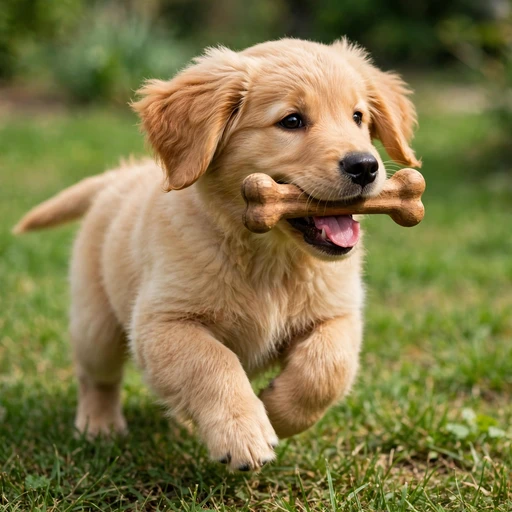
 Dog Care
 Cat Care
 Small Pets
 Pet Food & Nutrition
 Training & Behavior
 Pet Care & Grooming
 Pet Gear & Supplies
 New Pet Owners
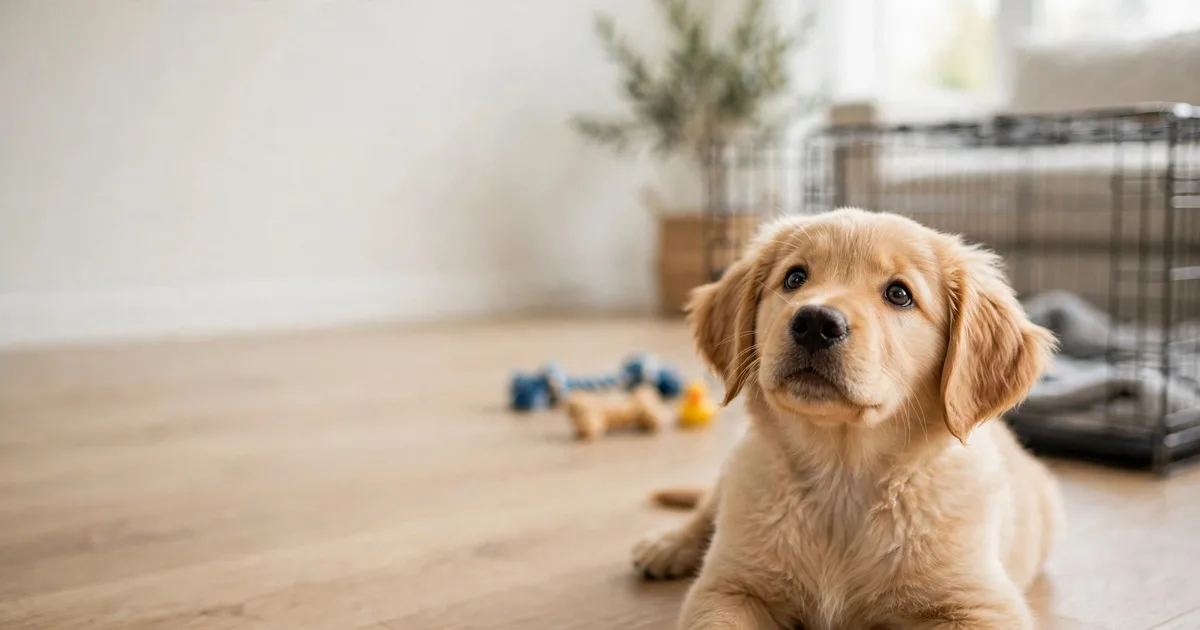
First Week With a New Puppy: A Realistic Checklist
It’s 2 a.m., your new puppy is crying in the crate, and you’re lying awake wondering if you made a mistake. You didn’t. Nearly every owner has a night like this.
The first week with a new puppy comes down to three jobs: keep your puppy safe, build a predictable routine, and get a vet visit on the calendar. Everything else can wait. Here’s a realistic day-by-day checklist, rough costs, and the warning signs that mean it’s time to call your vet.
Quick answer: In the first week with a new puppy, focus on these five things:
- Set up a safe space (a crate or pen) and puppy-proof before your puppy arrives.
- Take your puppy out to potty after waking, eating, playing, and before bed. While awake, that often means every hour or two.
- Keep the same food and build a simple loop: potty, meal or play, potty, nap.
- Book a vet check for the first few days to a week, and ask when your puppy can safely meet other dogs.
- Use rewards only, and expect accidents, broken sleep, and slow progress.
What to Buy Before You Bring Your Puppy Home
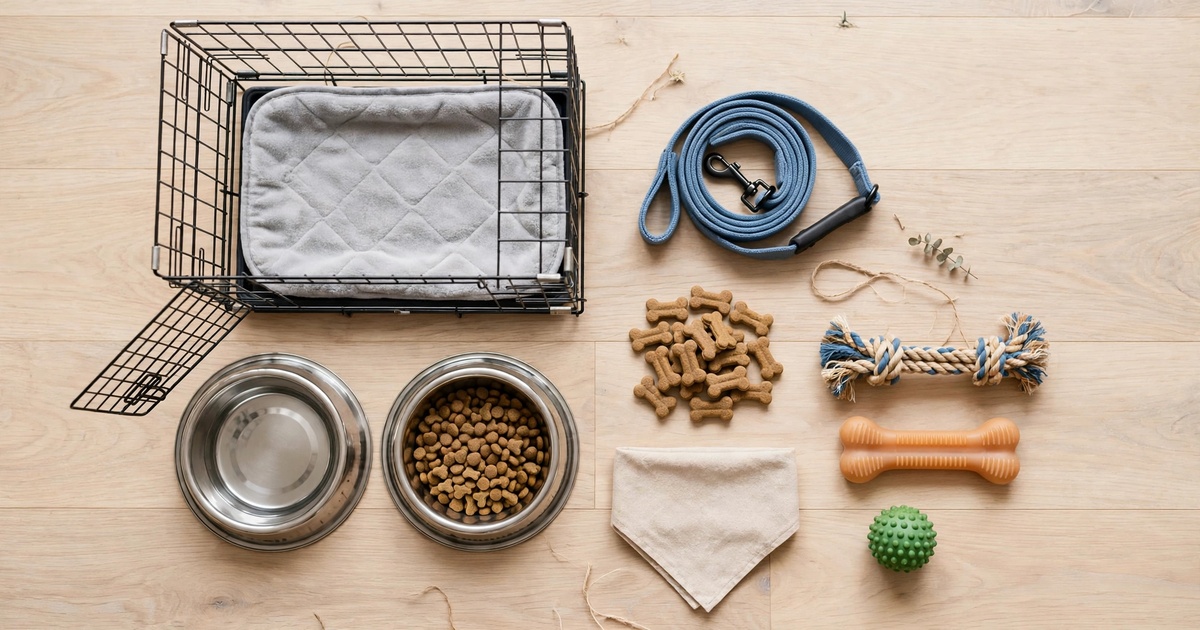
Set up before pickup day so you’re not shopping with a puppy waiting in the car. You don’t need much, and you can add gear once you know your puppy’s size and habits.
| Item | Why you need it | Rough cost (USD) |
|---|---|---|
| Crate or exercise pen | A safe place to sleep and rest | $40–$120 |
| Bed or washable blankets | Comfort, and easy to wash after accidents | $20–$60 |
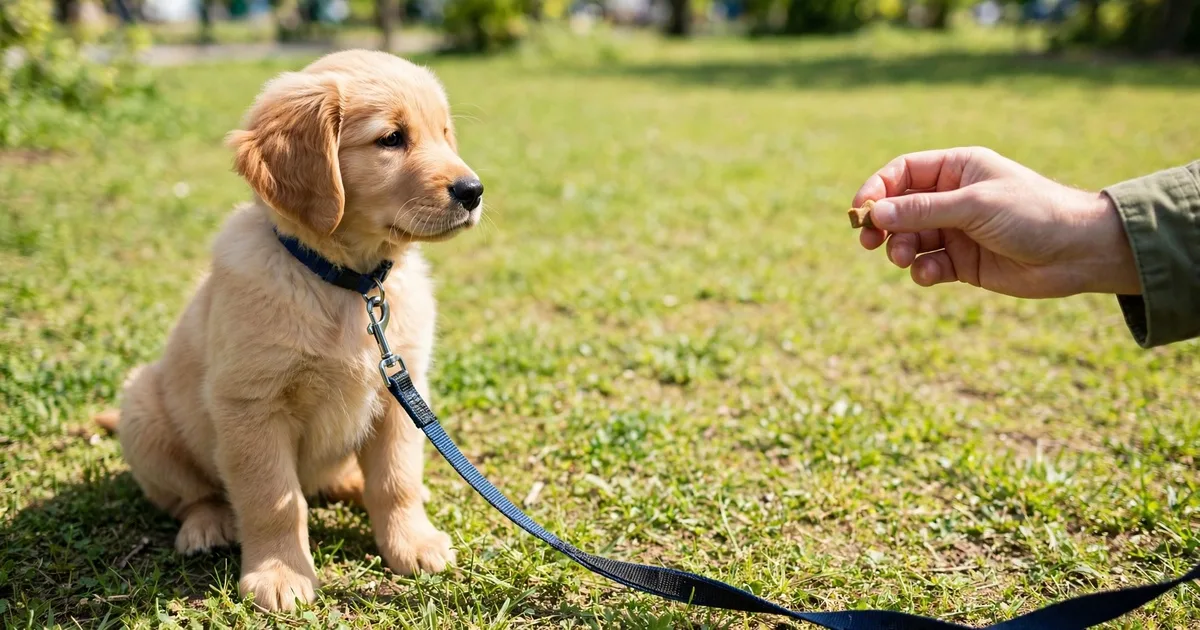
| Collar with ID tag and a light leash | Safe potty trips and early walking practice | $20–$50 |
| Food and water bowls | Stainless steel or ceramic are easy to clean | $10–$30 |
| Puppy food (the same kind they’re eating now) | Avoids an upset stomach | $25–$60 for the first bag |
| Chew toys and a food puzzle | Redirects chewing, burns mental energy | $15–$40 |
| Enzymatic cleaner | Removes potty odors that invite repeat accidents | $10–$25 |
| Baby gates | Limits roaming to one or two rooms | $30–$80 |
| Small soft treats | Rewards for training | $8–$20 |
Prices vary by size, region, and store. These are rough US ranges, not product recommendations.
Puppy-proof the main living area
Get down on your hands and knees and look at the room from puppy height. Move electrical cords, shoes, socks, remote controls, houseplants, trash cans, medications, and cleaning products out of reach.
Keep chocolate, grapes and raisins, onions, and anything containing xylitol (found in some sugar-free gum, candy, and peanut butters) well away from your puppy. How harmful something is depends on how much your puppy eats and how small they are. If your puppy swallows anything questionable, call your vet or a pet poison helpline right away.
Collect records and book the vet
Ask the breeder or shelter for vaccine and deworming records, the food your puppy is eating, and the feeding schedule. Book the first vet visit before pickup day so you’re not scrambling later.
Day 1: Keep It Calm and Simple
Your puppy just lost their mother, littermates, and everything familiar. The goal today is calm, not fun.
- Go to the potty spot first. Before carrying your puppy inside, set them down in your chosen spot for a few minutes. Reward calmly if they go. This starts the “this is where we go” habit.
- Make the car ride safe. Use a secured crate or carrier, or have a passenger hold your puppy on a towel. Bring extra towels, since some puppies get carsick or have accidents when nervous.
- Show one room only. Too much space too soon can overwhelm a puppy and makes potty training harder.
- Hold off on visitors. Friends and relatives can wait a few days. If you have kids, ask them to sit on the floor and pet gently under supervision. Puppies shouldn’t be carried around by small children, because a drop can cause real injury.
- Feed the same food on the same schedule. A new home is enough change for one day.
- Let your puppy sleep. Young puppies nap a lot. A puppy who crashes mid-play isn’t broken, just tired.
The first night
Put the crate or pen in your bedroom, close enough that your puppy can hear you. Young puppies can’t hold their bladders all night, so expect at least one or two potty trips.
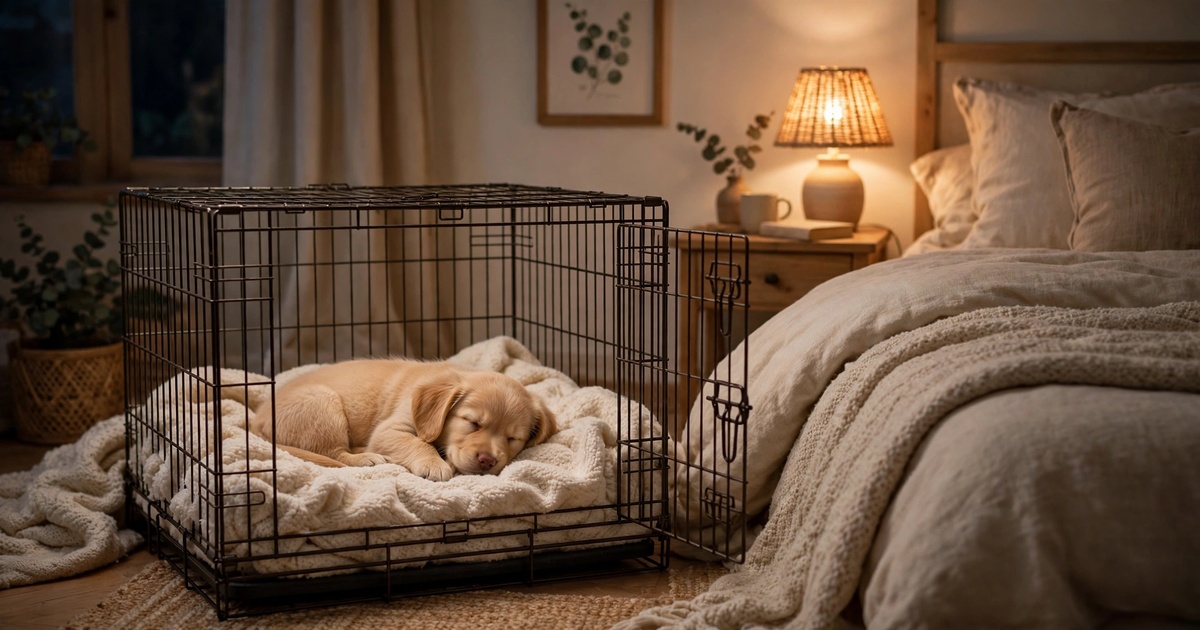
When your puppy wakes and cries, take them out quietly, keep the lights low, skip the play, and return them to bed. If you’re sure they just went, wait for a pause in the crying before you respond. Never scold a crying puppy. They’re scared, not misbehaving.
Days 2–3: Build a Routine
Puppies feel safer when the day follows a pattern. For every waking stretch, use this loop: wake, potty, eat or play, potty, nap. Repeat.
Potty training basics
Take your puppy out after waking, after meals, after play, and before bed. While awake, that often means every hour or two, and younger, smaller puppies need more trips. Go to the same spot each time and reward within a few seconds of finishing, since that’s when the connection happens.
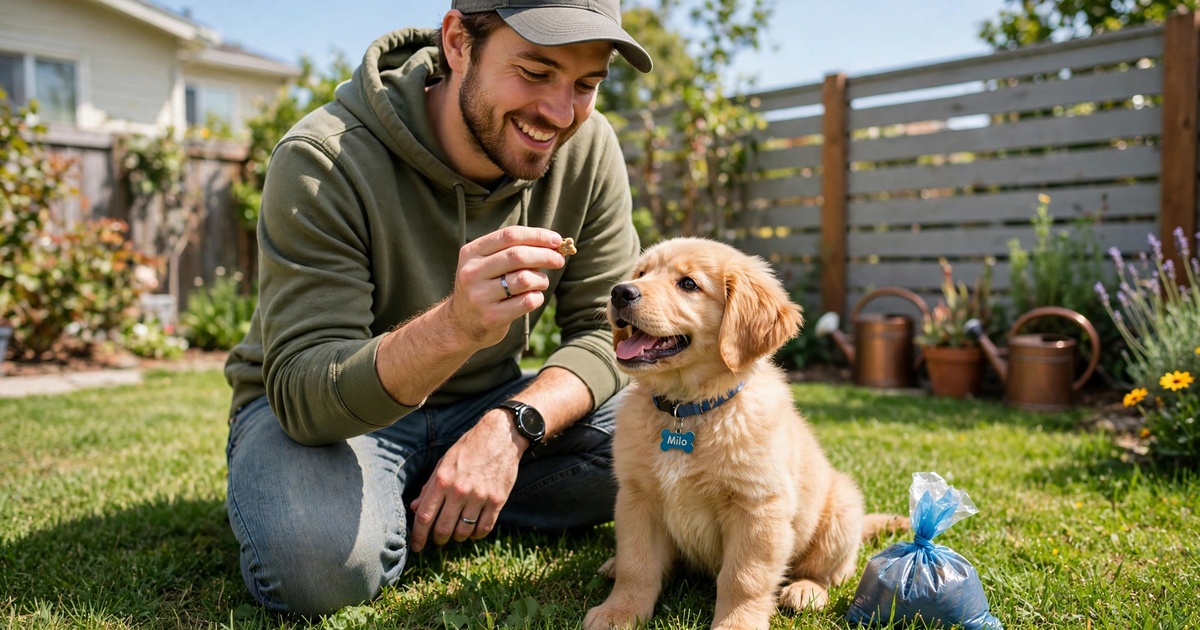
Accidents will happen. Clean them with an enzymatic cleaner and move on. Rubbing a nose in it or scolding teaches your puppy to hide, not to go outside. For the full method, see how to potty train a puppy.
Feeding
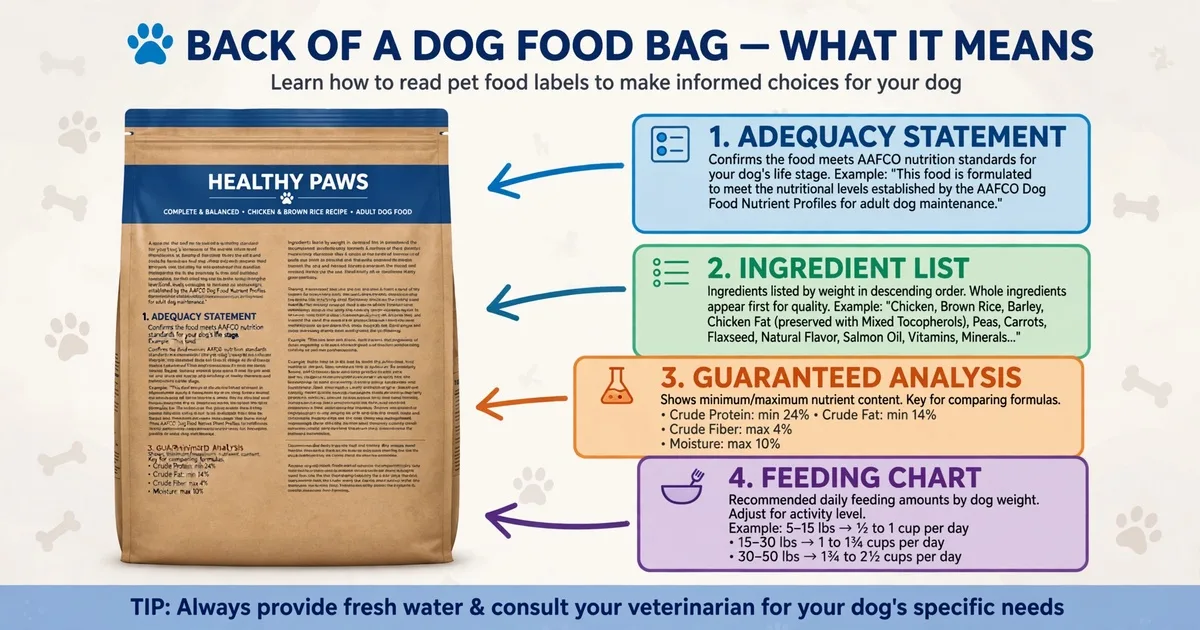
Stay with the breeder’s or shelter’s food at first. If you plan to switch, mix the new food in gradually over about a week, because sudden changes can upset a puppy’s stomach. The bag’s feeding chart is a starting point, and how to read a dog food label explains what the numbers mean. Meal count and portions depend on age, breed, and size, and your vet makes the final call.
Crate comfort
Make the crate a good place. Toss treats inside, feed meals in there, and close the door for just a minute or two at first, building up slowly. Never use the crate as punishment.
Gentle handling
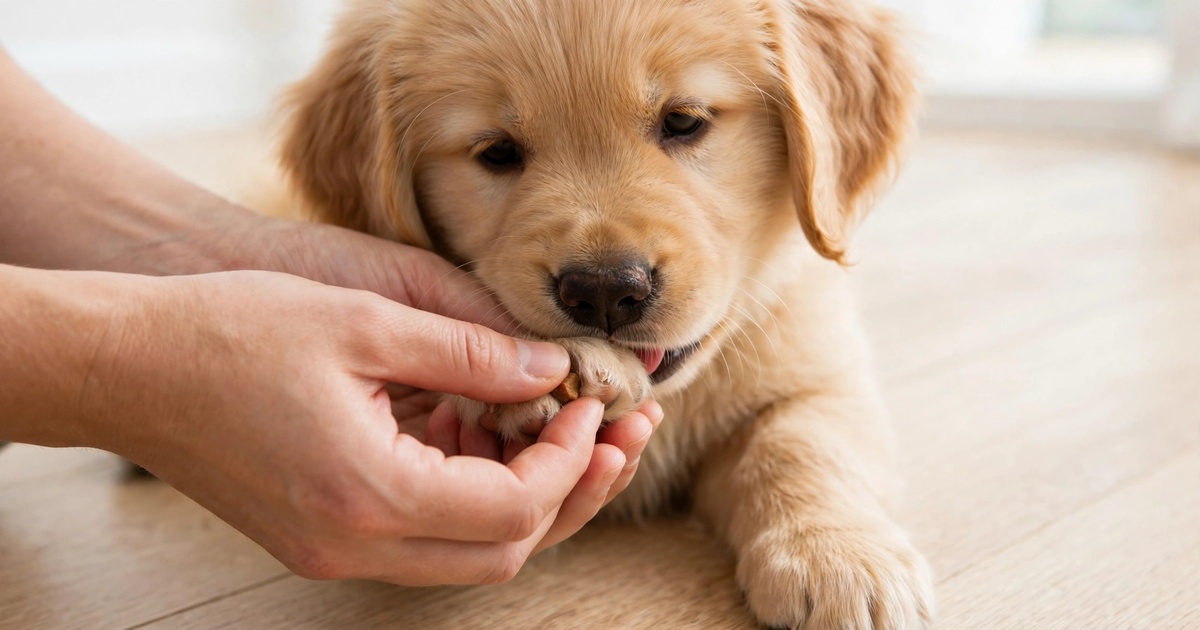
Touch your puppy’s paws, ears, and mouth for a few seconds, then give a treat. This makes vet exams and grooming much easier later.
Days 4–7: Vet Visit, Socialization, and Short Alone Time
The first vet visit
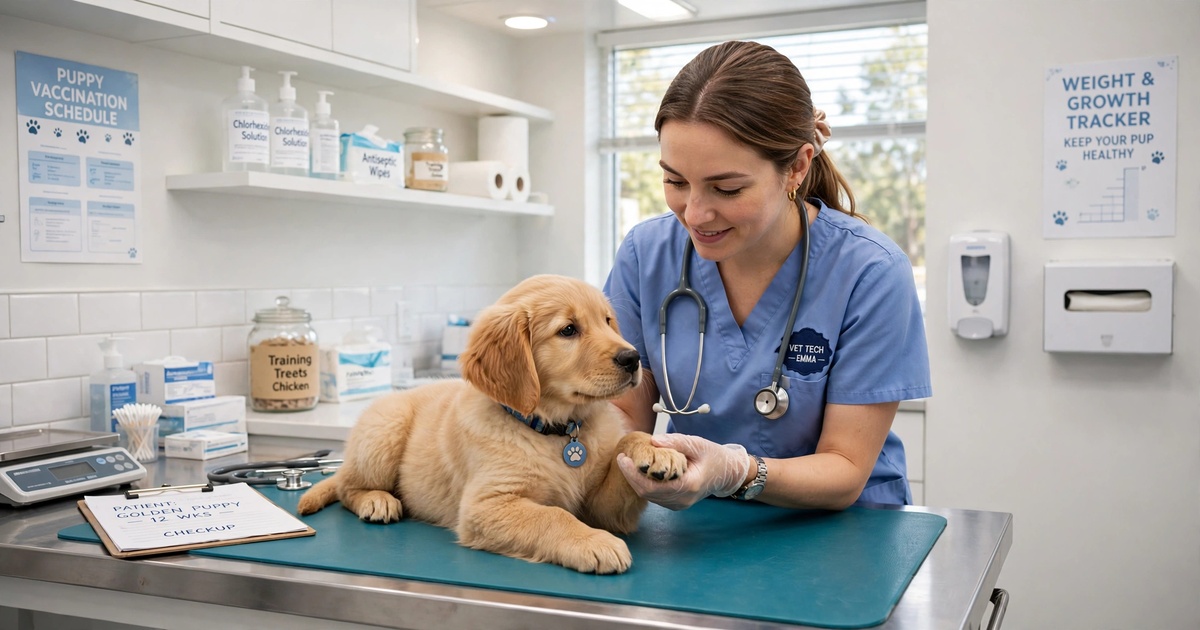
Bring the records you collected, plus a stool sample if the clinic asks for one. Useful questions include:
- What vaccine schedule fits my puppy and area?
- What deworming and flea and tick prevention do you recommend?
- How much and how often should I feed?
- When can my puppy safely meet other dogs?
- When should we talk about microchipping and spay or neuter timing?
Vaccine, deworming, and parasite plans vary by age, breed, health, and region, so follow your vet’s plan rather than a general guide.
Safe socialization
Early positive experiences matter, but your puppy may not be fully vaccinated yet. Until your vet gives the okay, skip dog parks, pet store floors, and busy sidewalks.
Instead, try these:
- Carry your puppy outside to watch the world from your arms.
- Arrange calm meetings with healthy, vaccinated adult dogs in a clean, private yard.
- Introduce new sounds, floor surfaces, and gentle people in short, happy sessions.
Let your puppy retreat whenever they want. If they seem scared, end the session and try something easier tomorrow. Ask your vet about puppy classes that use reward-based training.
Short alone time
Start with a few minutes in the crate or pen with a chew toy while you stay in the house. Build up slowly. If your puppy panics, go back a step. In an apartment, a heads-up to neighbors can help in the first week or two.
Mouthing and chewing
Puppies explore with their mouths. Redirect to a chew toy, reward the switch, and give a nap. Overtired puppies tend to bite more. Never hit, hold the muzzle shut, or yell.
What a Realistic First Week Looks Like
Perfect weeks don’t exist. Here’s what real ones look like:
- First-time owner in an apartment: Keep the leash and shoes by the door. Every potty trip is a production, so plan the quickest route outside.
- Busy family: Assign one adult per shift and keep a shared note of potty trips and meals. Puppies get confused when every person follows different rules.
- Rescued puppy: Your puppy may be shy, extra clingy, or have a sensitive stomach from stress. Give extra time and tell your vet everything you know about their history.
Expect daily accidents, short nights, and progress that goes forward and then slides back. That’s normal.
Mistakes to Avoid in the First Week
- Inviting everyone over right away. Too many new people at once is overwhelming.
- Skipping the vet visit. A puppy with unknown history deserves a check early.
- Punishing accidents. It teaches fear, not toileting habits.
- Switching foods suddenly. Gradual changes are gentler on the stomach.
- Overdoing exercise. Keep play sessions short and let your puppy nap often. Ask your vet how much activity suits your puppy’s age and breed.
- Bathing too soon. Most puppies don’t need a full bath in week one, and young puppies chill easily. Spot clean with a damp cloth, and see how to bathe a dog at home when it’s time.
- Giving in to every cry. Comfort a scared puppy, but don’t reward long, loud demands with play and attention.
When to See a Vet
You’re not a vet, and neither is this article. Puppies can dehydrate and weaken faster than adult dogs, so when in doubt, call.
Go to a vet or emergency clinic right away if your puppy:
- Swallowed something that may be toxic (call your vet or a pet poison helpline on the way)
- Has trouble breathing, collapses, or can’t be woken normally
- Has a seizure
- Has a hard, swollen belly with unproductive retching, which can be a sign of bloat
- Vomits repeatedly or can’t keep water down
- Has bloody diarrhea or pale gums
Call your vet the same day if your puppy:
- Has diarrhea or vomiting that continues
- Refuses food for more than a meal or two
- Seems unusually tired or weak
- Coughs, sneezes repeatedly, or has eye or nose discharge
- Limps or cries when touched
FAQ
How long does it take a puppy to settle into a new home?
Most puppies start to relax within a few days, but a steady routine usually takes a few weeks. Expect some crying, accidents, and clinginess in week one. Consistent meals, naps, and potty trips help the most. A puppy who stays very withdrawn, refuses food, or seems unwell should see your vet.
Should a new puppy sleep in a crate or in my bed?
A crate or pen next to your bed is the safer choice for most families. It keeps your puppy from wandering, makes night potty trips easier to manage, and builds a sleep habit that lasts. Puppies can fall off beds, and bed-sharing is easier to add later than to undo. If you want to share eventually, wait until potty habits are solid.
When can a new puppy meet other dogs?
Ask your vet, because it depends on your puppy’s vaccine progress and local disease risk. Until then, stick to controlled meetings with healthy, fully vaccinated adult dogs in clean, private spaces, and skip dog parks and busy public areas. Your vet can tell you when it’s safe to widen the circle.
How often should a new puppy go outside to pee?
As a rough starting point, take your puppy out after every nap, meal, and play session, plus every hour or two while awake. Younger and smaller puppies usually need more trips. Expect at least one night trip at first. Watch for sniffing, circling, or heading to a corner, and head outside right away.
Is it normal for a puppy not to eat on the first day?
A skipped meal or smaller appetite can happen with the stress of a new home. Offer the same food at regular times in a quiet spot, and skip the extras. Call your vet if your puppy refuses more than a meal or two, seems very tired, or has vomiting or diarrhea.
Your First Week With a New Puppy Is Practice, Not a Test
Your first week with a new puppy won’t be perfect, and it doesn’t have to be. A safe space, a steady routine, rewards for good choices, and a vet visit on the calendar cover most of what matters. Accidents and short nights are part of the deal, not signs you’re failing.
Your next step: write down tomorrow’s loop of wake, potty, meal, play, and nap, and share it with everyone in the house. Once that rhythm feels steady, how to care for a dog covers the longer-term basics, from exercise to grooming.
Join our Telegram to get all the updates.
Comments (0)
Be the first to comment.