
 Dog Care
 Cat Care
 Small Pets
 Pet Food & Nutrition
 Training & Behavior
 Pet Care & Grooming
 Pet Gear & Supplies
 New Pet Owners
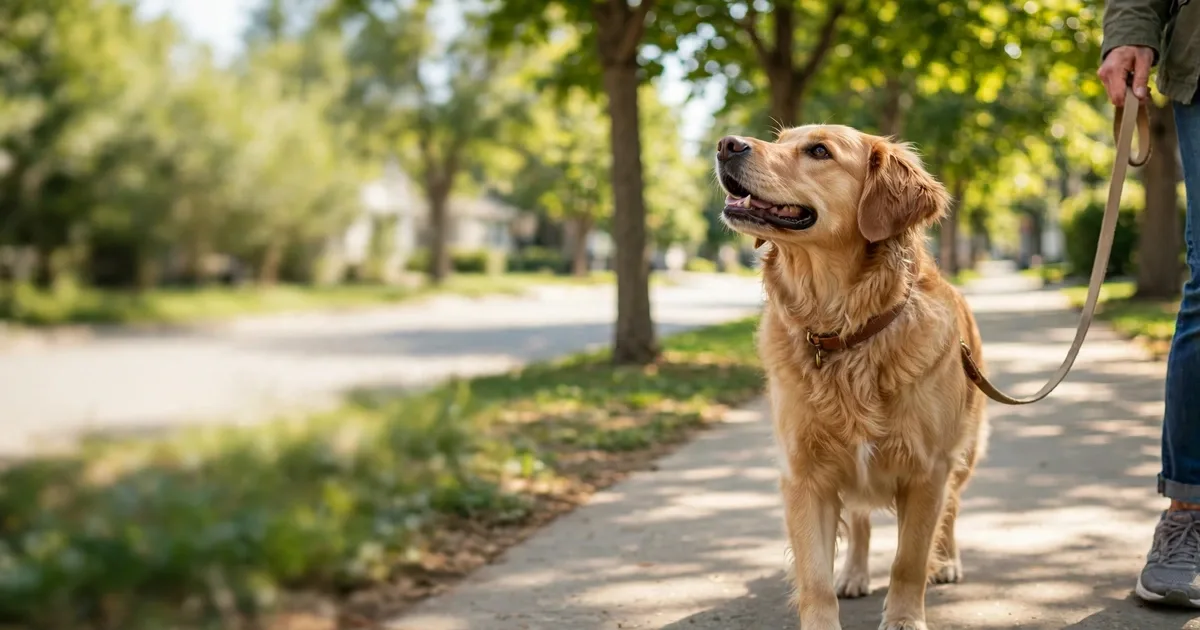
How Often Should You Walk Your Dog? A Guide by Age and Breed
You're standing at the door with the leash in your hand, wondering if one lap around the block is enough. For most healthy adult dogs, how often to walk your dog comes down to two or three outings a day, adding up to roughly 30 to 60 minutes. But age, breed, size, and health can move that number a lot. This guide covers what each type of dog needs, how to tell if your routine is working, and what to do on days when time is short.
Quick Answer
- Most healthy adult dogs do well with 2-3 walks a day, totaling about 30-60 minutes.
- Puppies need shorter, more frequent outings. Senior dogs often do best with gentle, shorter walks.
- High-energy breeds may need 90 minutes or more of activity, while short-nosed breeds need shorter walks and extra care in warm weather.
- Your dog's behavior at home is the best test. A settled, relaxed dog is usually getting enough.
How Often Should You Walk a Dog? The General Guidelines
There's no single number that fits every dog. Think of the table below as a starting range, then adjust based on how your dog actually responds.
| Dog type | Typical walks per day | Typical total activity | Notes |
|---|---|---|---|
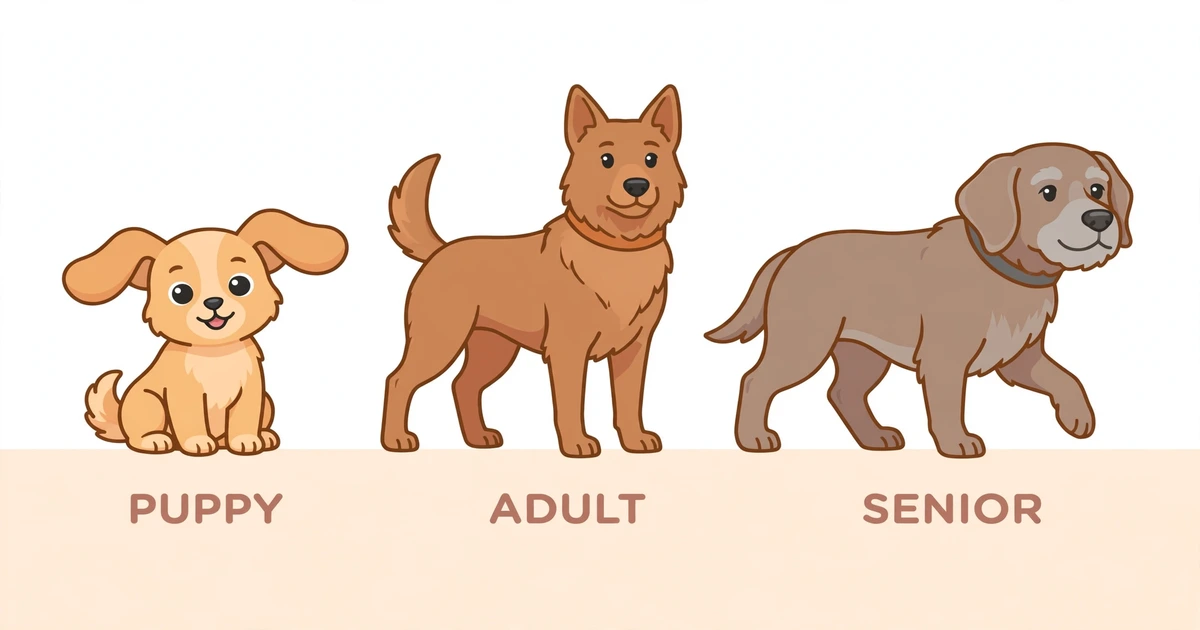
| Puppy (under 6 months) | 3-5 short outings | Varies by age | Short sessions; ask your vet when public outings are safe |
| Adult, moderate energy | 2-3 | 30-60 minutes | Fits most mixed breeds and family dogs |
| Adult, high energy | 2-3 longer outings | 60-120 minutes, including play or running | Often needs mental work too |
| Short-nosed breed | 2-3 short, easy walks | 20-40 minutes | Go slowly and avoid heat |
| Senior dog | 2-4 gentle outings | 20-40 minutes | Shorter and more frequent often works better |
These are rough ranges, not rules. A healthy 3-year-old Labrador and an 11-year-old Chihuahua with sore joints will land in very different places.
How Often to Walk a Puppy
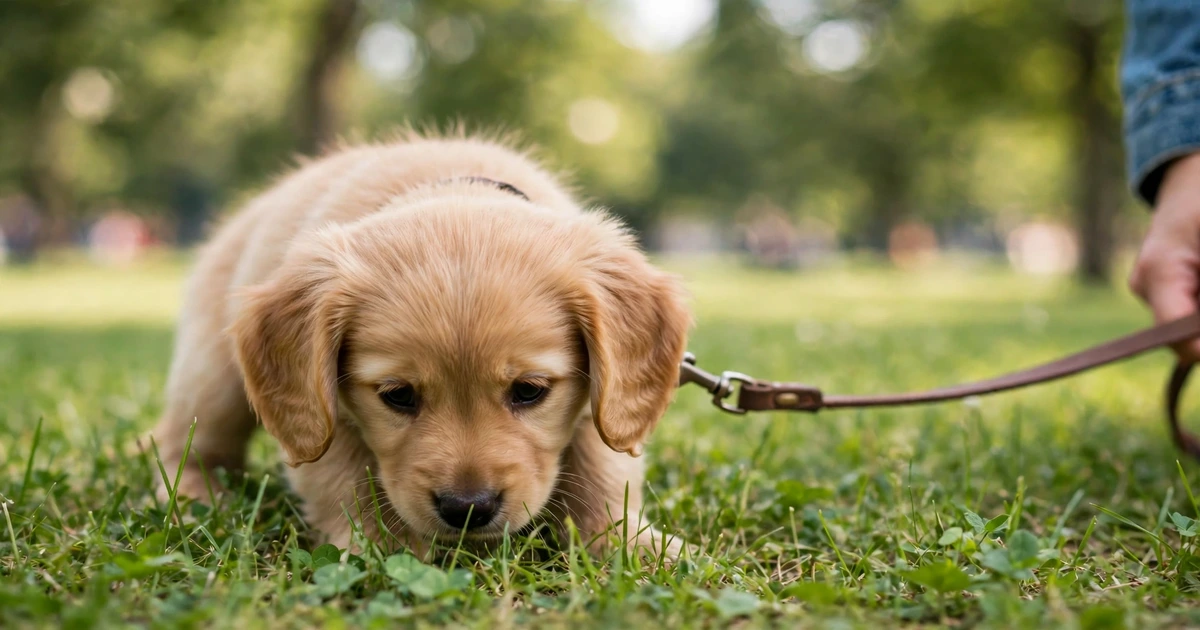
Puppies have lots of energy and growing bodies that tire easily. Short, frequent outings work better than one long trek.
A common rule of thumb is about five minutes of walking per month of age, per outing. A three-month-old might manage roughly 15 minutes at a time. It's a loose guide, so stop when your puppy slows down or sits and refuses to move.
Two cautions apply here:
- Vaccinations. Your vet decides when your puppy can safely meet public sidewalks and parks. Schedules vary by region and by puppy.
- Large and giant breeds. Their joints are still developing, so avoid forced running or long hikes until your vet says they're ready.
If you're also working on bathroom habits, regular outings help a lot. Our guide on how to potty train a puppy shows how to pair walks with a reliable routine.
How Often to Walk an Adult Dog
Healthy adults are the easiest group to plan for, but energy still varies widely.
High-Energy Breeds
Herding and working breeds, such as border collies and Australian shepherds, often need 60 to 120 minutes of activity a day. A walk alone may not be enough. Add fetch, tug, scent games, or training sessions so the brain gets tired too.
Without enough outlet, these dogs may bark, chew, or pace. That's usually a sign of unmet needs, not bad behavior.
Moderate-Energy Dogs
Many retrievers, spaniels, terriers, and mixed breeds fit here. Two or three walks, with one slightly longer than the others, covers most of them. A 15-minute morning walk, a 10-minute midday break, and a 30-minute evening walk is a realistic pattern.
Low-Energy and Short-Nosed Breeds
Bulldogs, pugs, and similar flat-faced breeds can struggle to breathe when they overheat or push too hard. Keep walks short and relaxed, and choose cool parts of the day. Some small or toy breeds are also fine with shorter outings, though many are more active than people expect.
How Often to Walk a Senior Dog
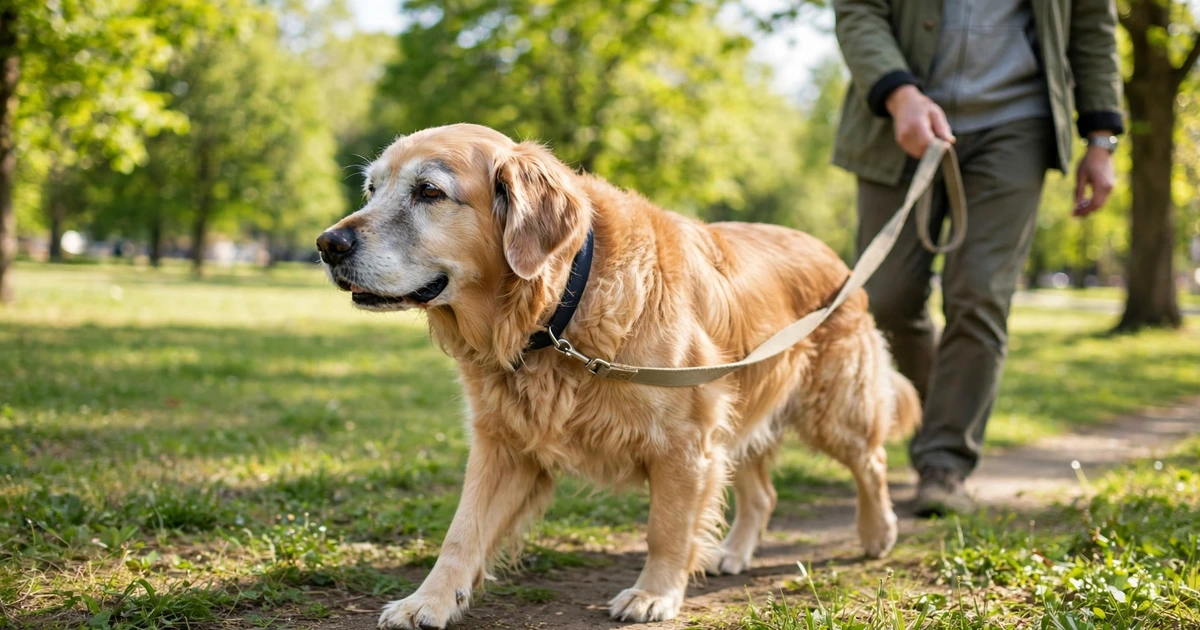
Older dogs still need to move, since regular activity helps keep joints and muscles working. But their stamina changes.
Try splitting the day into more, shorter walks. Three 10-minute outings are often easier on stiff joints than one 30-minute trek. Watch for slowing down, lagging behind, or stiffness afterward, and mention these to your vet. Pain or illness can look like "just getting old."
How Long Should Each Walk Be?
For most healthy adults, 15 to 30 minutes per walk is a good target, with at least one longer outing if your dog has energy to spare.
Quality counts as much as length. Let your dog sniff. Sniffing is mentally tiring, and a slow 20-minute "sniffari" can leave a dog more satisfied than a fast 20-minute march.
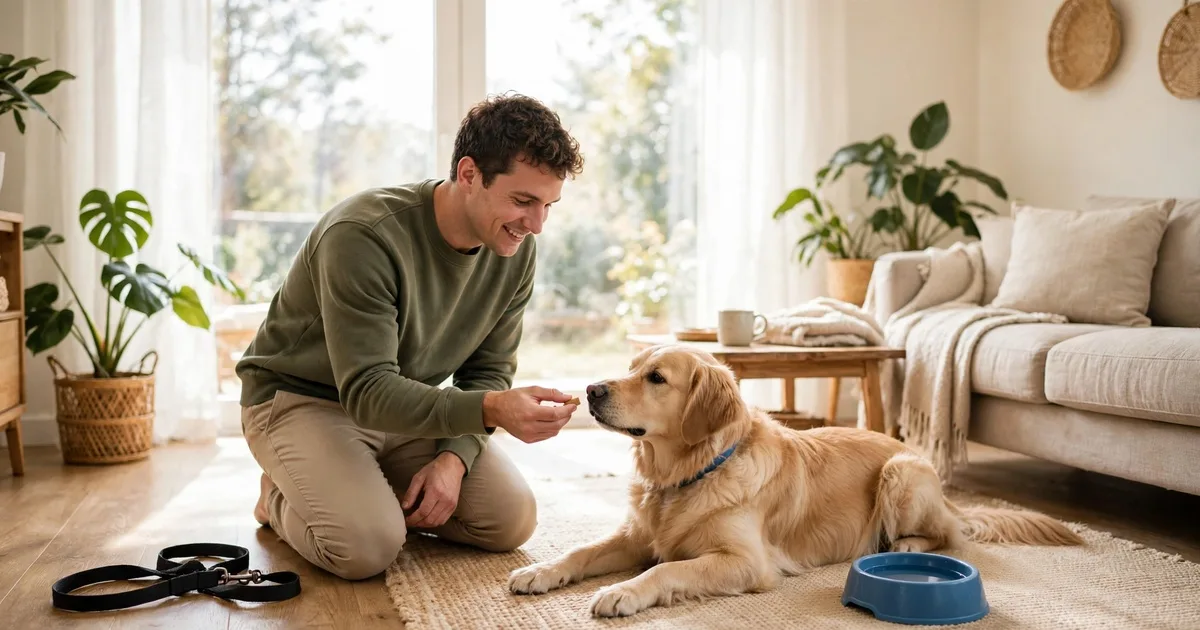
If your dog pulls, use reward-based training. Reward them with small treats when the leash is loose and stop moving when it tightens. A well-fitted harness can make pulling more comfortable for both of you. Avoid leash jerks, choke tools, or scolding, which can create fear and make walks worse.
Weight matters here too. If your dog is gaining weight despite regular walks, look at the bowl. Learning how to read a dog food label helps you understand what your dog is eating, and your vet can recommend a feeding plan.
Signs Your Dog Needs More (or Fewer) Walks
Your dog's behavior tells you more than a timer does.
Signs your dog may need more activity:
- Chewing, digging, or barking that seems new or worse
- Hyper behavior right after walks
- Difficulty settling in the evening
- Weight gain
Signs your dog may be getting too much:
- Limping or stiffness after walks
- Lagging behind or lying down mid-walk
- Heavy panting that doesn't ease with rest
- Sore paw pads
A good walking routine leaves your dog pleasantly tired and ready to rest. If you're seeing signs of too much, shorten the walks and check in with your vet.
Fitting Walks Into Real Life
Here are a few common situations and what tends to work.
First-time owner in an apartment. Plan three outings: a quick morning walk, a midday break, and a longer evening walk. Add indoor games, like hiding treats, on rainy days.
Busy family with a 9-to-5 schedule. Try a longer walk before work and another after, with a midday walker or neighbor if your dog is home for long stretches. Puppies and seniors shouldn't be left for long gaps.
Rescue dog who's nervous outside. Start with short, quiet walks in low-traffic places. If your dog is fearful or reactive, a qualified trainer or veterinary behaviorist can help. Pushing a scared dog to "get used to it" can backfire.
For the broader picture beyond walks, see our guide on how to care for a dog.
Walking in Hot and Cold Weather
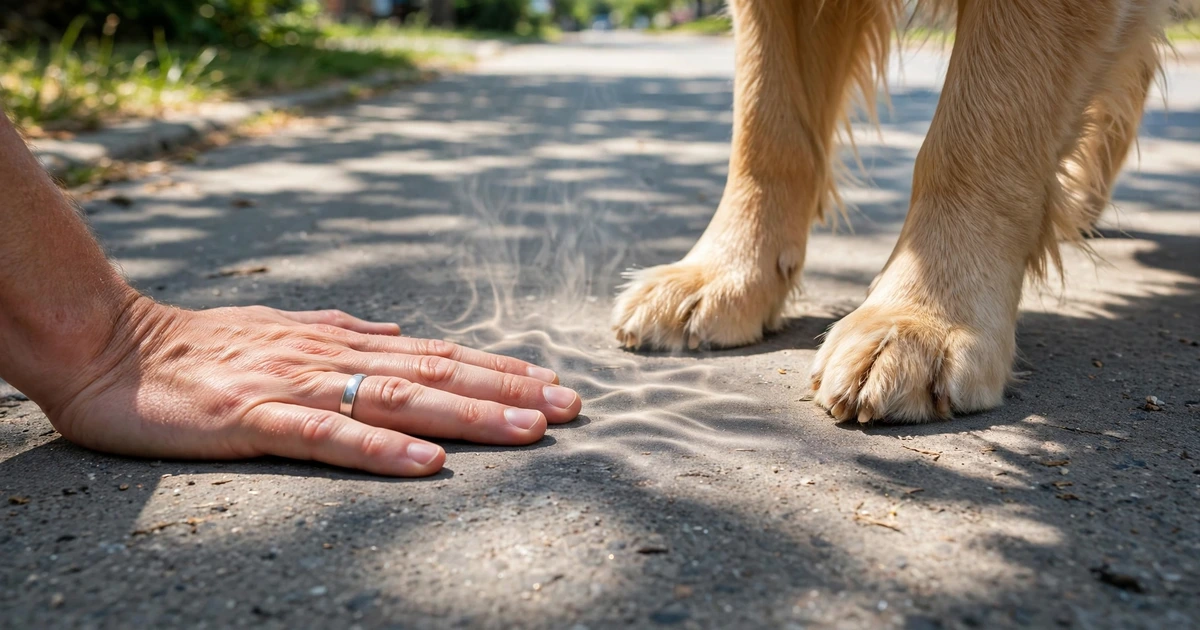
Weather changes the plan.
- Heat. When it's around 77°F (25°C) or warmer, pavement can get hot enough to hurt paws. Press the back of your hand on the ground for five seconds. If it's too hot for you, it's too hot for your dog. Walk early or late, bring water, and take it easy with short-nosed, thick-coated, overweight, and senior dogs.
- Cold. Small, short-haired, and senior dogs may need a coat. Wipe paws after walks, since salt and ice-melt products can irritate skin and may be harmful if licked off.
- Rain. Most dogs handle it fine. If it's unpleasant or unsafe, swap in indoor play or a shorter walk.
Mistakes to Avoid
- Walking only when the dog misbehaves. It teaches the wrong lesson. Keep a steady routine.
- Going all-out at once. Build distance and pace gradually, especially with an out-of-shape dog.
- Treating the yard as a replacement. Many dogs don't exercise much alone in a yard.
- Ignoring signs of discomfort. Reluctance to walk can mean pain.
- Walking at the hottest time of day. Plan around the heat.
When to See a Vet
Contact your vet if your dog:
- Suddenly resists walks or seems reluctant to move
- Limps, favors a leg, or seems stiff or painful afterward
- Coughs, wheezes, or seems unusually tired during or after walks
- Shows a sudden change in energy, appetite, or behavior
- Has panting that doesn't settle after resting
Call a vet or emergency animal clinic right away if your dog collapses, has trouble breathing, or shows signs of overheating, such as heavy drooling, weakness, vomiting, or confusion. Don't wait to see if it passes.
Your vet can also help set a safe exercise plan for puppies, seniors, and dogs with health conditions.
FAQ
Is walking my dog once a day enough?
For some dogs, yes, if the walk is long enough and they get play and mental activity at home. Many healthy adults do better with two or three shorter outings, though, since they need bathroom breaks and more chances to sniff and burn energy. Puppies and high-energy breeds usually need more than one.
Is it okay to skip a day of walking?
An occasional skipped walk won't harm a healthy dog, especially if you swap in indoor play, a sniff game, or a short training session. Skipping often can lead to restlessness, chewing, or barking. If bad weather is the issue, shorten the walk rather than cancel it, unless conditions are unsafe.
How long is too long to walk a dog?
There's no single cutoff, because it depends on fitness, age, and breed. Warning signs of too much include limping, lagging behind, heavy panting that doesn't ease, or stiffness afterward. Build up gradually, and ask your vet before starting long distances with puppies, seniors, or dogs with health issues.
Do small dogs need as many walks as big dogs?
Yes, though shorter ones may do. Small dogs still need exercise, bathroom breaks, and sniffing time, and many are more energetic than they look. A couple of 15 to 30 minute walks suit many small breeds, but check your own dog's energy and ask your vet about any limits.
Can a backyard replace walks?
Not fully. A yard gives space to run, but many dogs just lounge there. Walks add new smells, sights, and structured time with you, which tires the mind as well as the body. Think of the yard as a bonus, and still go out on regular walks.
How often should I walk a puppy?
Short, frequent outings, often several a day, with each one kept brief to protect growing joints. A common rule of thumb is about five minutes per month of age per outing. Ask your vet when your puppy can safely visit public areas, since vaccine timing varies.
Final Thoughts
Most healthy adult dogs do well with two to three walks a day, totaling about 30 to 60 minutes, and age, breed, and health decide where your dog lands in that range. Watch your dog, not the clock: a calm, content dog at home is the best sign your routine works. This week, notice how your dog acts after each walk and adjust from there. If something seems off, talk with your vet before changing the plan.
Join our Telegram to get all the updates.


Comments (0)
Be the first to comment.