
 Dog Care
 Cat Care
 Small Pets
 Pet Food & Nutrition
 Training & Behavior
 Pet Care & Grooming
 Pet Gear & Supplies
 New Pet Owners
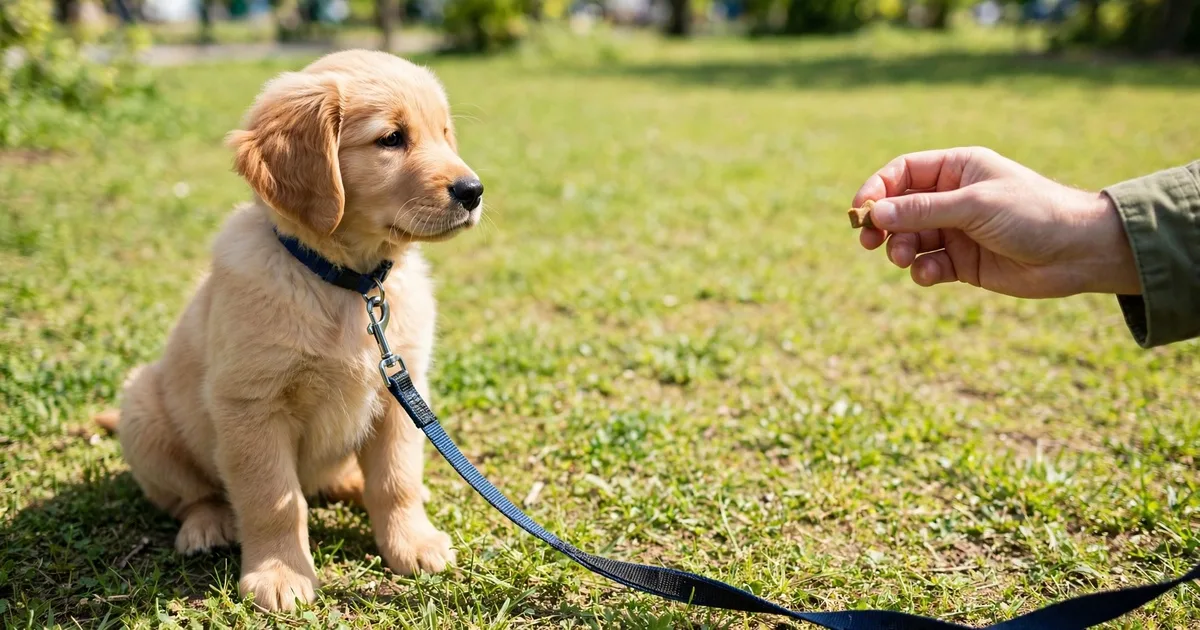
How to Potty Train a Puppy: Step-by-Step Guide
You brought your puppy home, and within an hour there’s a puddle on the rug. Then another. It feels like you’re doing something wrong, but this is completely normal. Puppies have tiny bladders and no idea where they’re supposed to go. The good news is that you can potty train a puppy with a simple routine, a lot of patience, and well-timed treats. This guide walks you through the schedule, the steps, and what to do when things go sideways.
Quick Answer
- To potty train a puppy, take them to the same outdoor spot often (every 1-2 hours at first), plus right after waking, eating, drinking, and playing.
- Reward them with a treat and praise within a few seconds of finishing, while they’re still outside.
- Supervise indoors or use a properly sized crate or pen so accidents can’t happen unnoticed.
- Clean accidents with an enzymatic cleaner and never punish. Punishment teaches fear, not where to go.
- Most puppies make solid progress within a few weeks, but reliable habits often take several months.
What You’ll Need
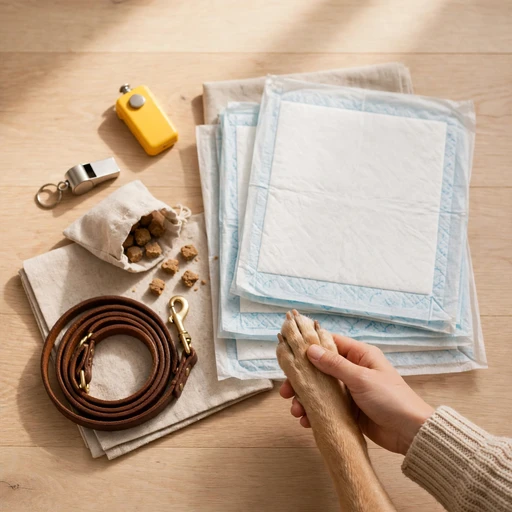
You don’t need much, but a few items make the job easier. Prices are rough US estimates and vary by brand and store.
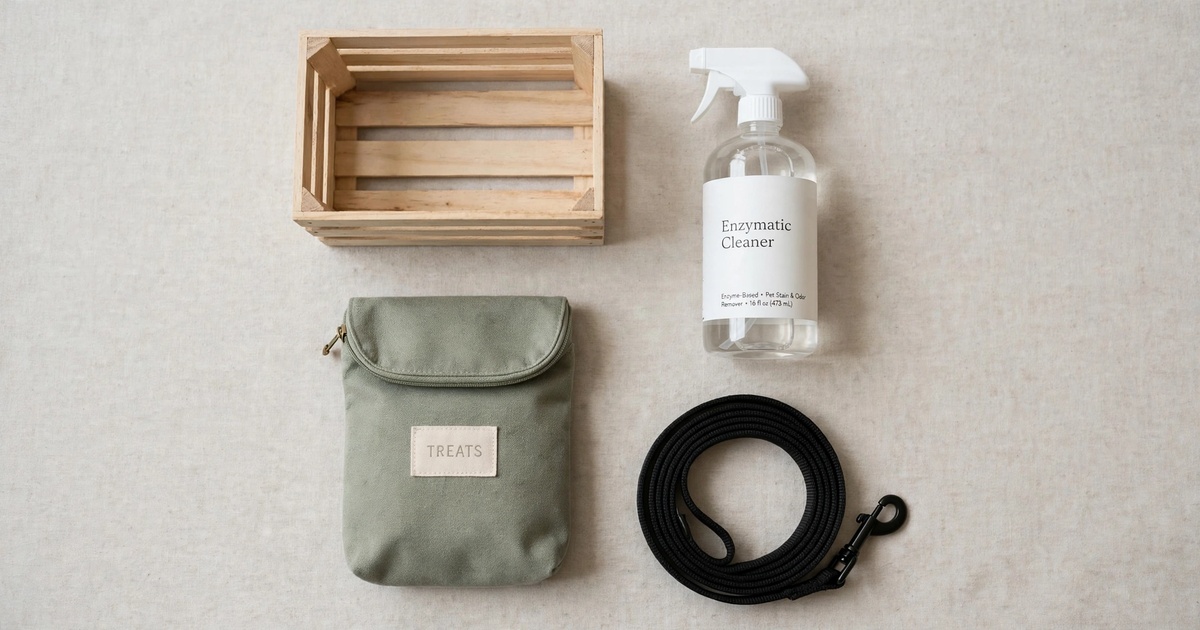
- A crate or playpen sized for your puppy: roughly $30-$80. Your puppy should be able to stand, turn around, and lie down, but not much more.
- Enzymatic cleaner: roughly $10-$25. Regular cleaners can leave a scent that tells your puppy “go here again.”
- Small, soft treats: roughly $5-$15. Tiny pieces work best so you can reward often without overfeeding.
- A leash: roughly $10-$20. It keeps outdoor trips focused on business, not exploring.
- Baby gates (optional): roughly $25-$60, to block off rooms.
- Puppy pads (optional): roughly $15-$30. These are mainly useful for apartment dwellers without quick outdoor access.
If you’re still setting up the basics for a new arrival, our guide on how to care for a dog covers the essentials beyond training.
How Long Does It Take to Potty Train a Puppy?
There’s no single timeline, and anyone promising “house trained in a week” is overselling it. Puppies under about 12 weeks have very little bladder control. Many start to catch on within a few weeks of a consistent routine, but dependable habits often take until 4-6 months. Some puppies, especially small breeds, take longer.
A common rule of thumb is that a puppy can hold their bladder for roughly one hour per month of age during the day, up to a limit. Treat that as a rough ceiling, not a goal. Young puppies usually need to go out far more often than that rule suggests.
Age, breed size, past living conditions, and how consistent you are all play a part. A puppy who spent weeks in a kennel or pet-store setting may need more time because they’ve already learned to go where they sleep.
Step-by-Step: How to Potty Train a Puppy
Step 1: Pick one potty spot
Choose a single outdoor area and use it every time. The smell helps your puppy understand what the spot is for. Carry your puppy if they’re very young, so they don’t have an accident on the way out the door.
Step 2: Set a predictable schedule
Puppies thrive on routine. Feed meals at consistent times each day. What goes in on a schedule tends to come out on a schedule. Your vet can tell you how much and how often to feed for your puppy’s age and size.
Take your puppy out:
- First thing in the morning
- After every nap
- Within 5-15 minutes after meals
- After drinking a lot of water
- After play sessions
- Before bed and before you leave them in the crate
- At least every 1-2 hours for puppies under about 12 weeks
Don’t cut back on water to prevent accidents unless your vet tells you to. Puppies need to stay hydrated.
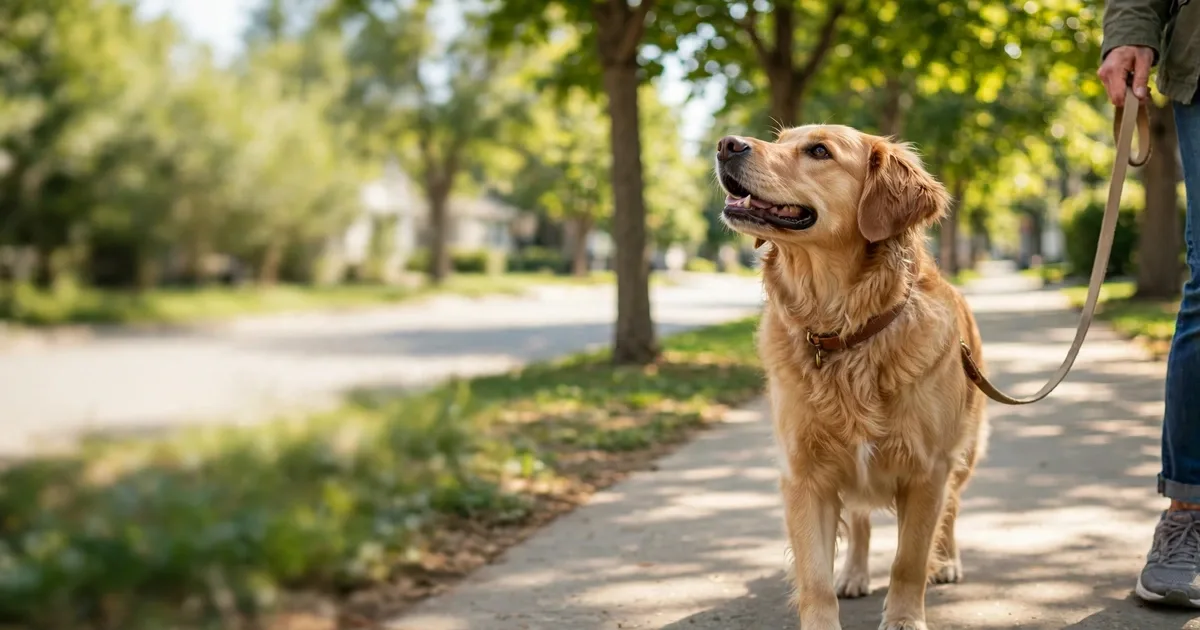
Step 3: Go out with them, on a leash
Stand still and stay boring. Say a simple cue like “go potty” once or twice in a calm voice. Avoid playing until they’ve finished. If nothing happens after about 5 minutes, go back inside, put your puppy in the crate or pen for 10-15 minutes, and try again. This keeps a “nothing happened” trip from turning into an indoor accident.
Step 4: Reward right away
The moment your puppy finishes, praise and give a treat while you’re still outside. Timing matters most here. If you wait until you’re back inside, your puppy won’t link the reward to going outdoors. After the treat, a few minutes of play or sniffing makes outdoor time even more rewarding.
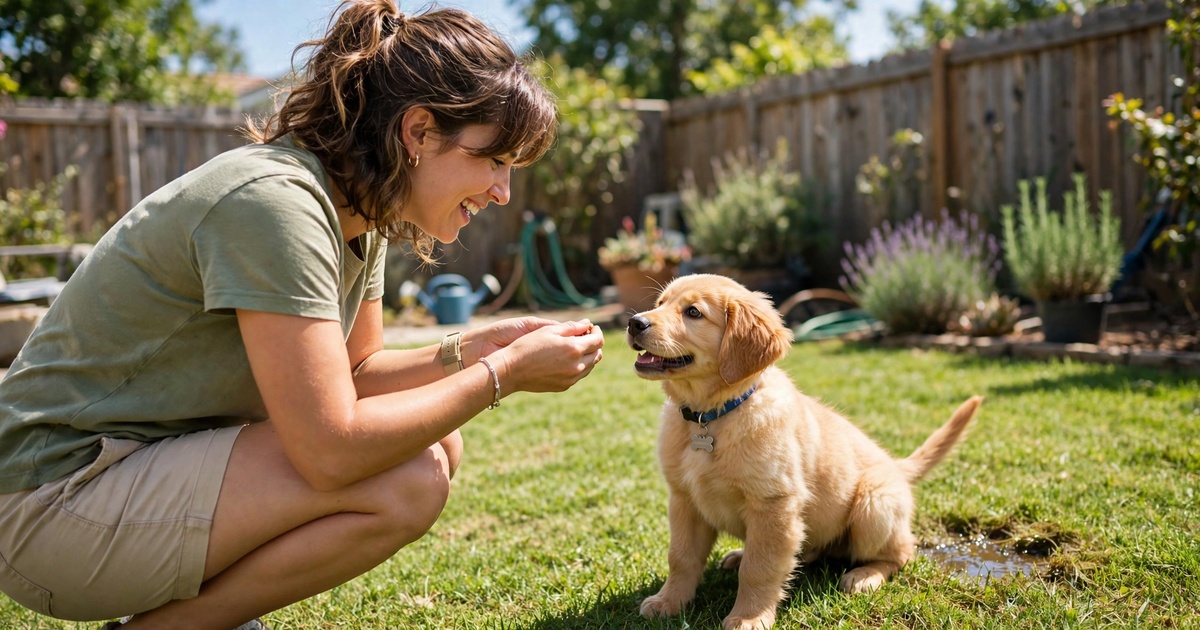
Step 5: Supervise or confine indoors
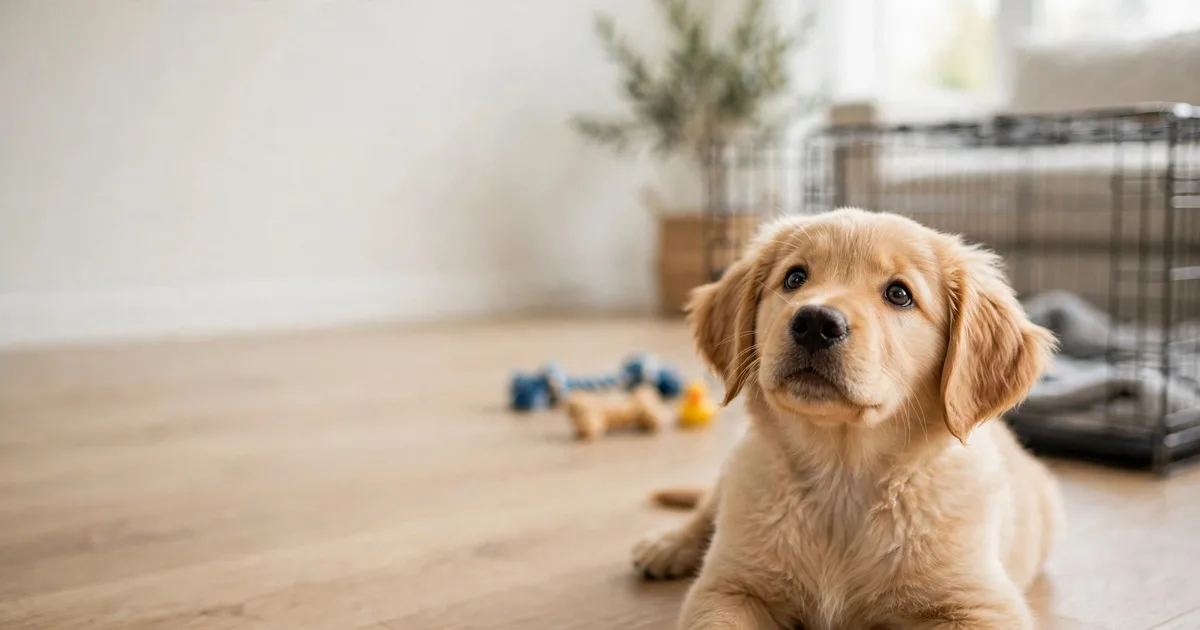
An unwatched puppy is an accident waiting to happen. When you can’t watch closely, use a crate, a pen, or a gated area. Dogs usually avoid soiling where they sleep, which is why a correctly sized crate helps.
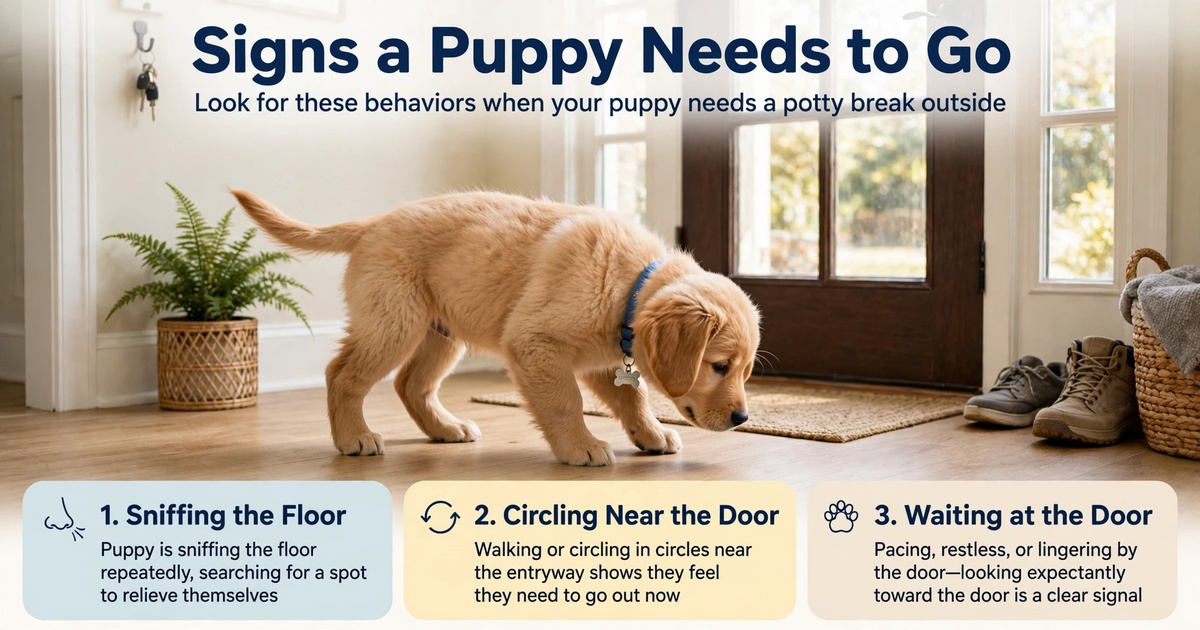
When your puppy is out, keep them in the same room as you. Watch for signs they need to go: sniffing the floor, circling, whining, heading toward the door, or suddenly wandering off. If you see these, calmly take them out right away.
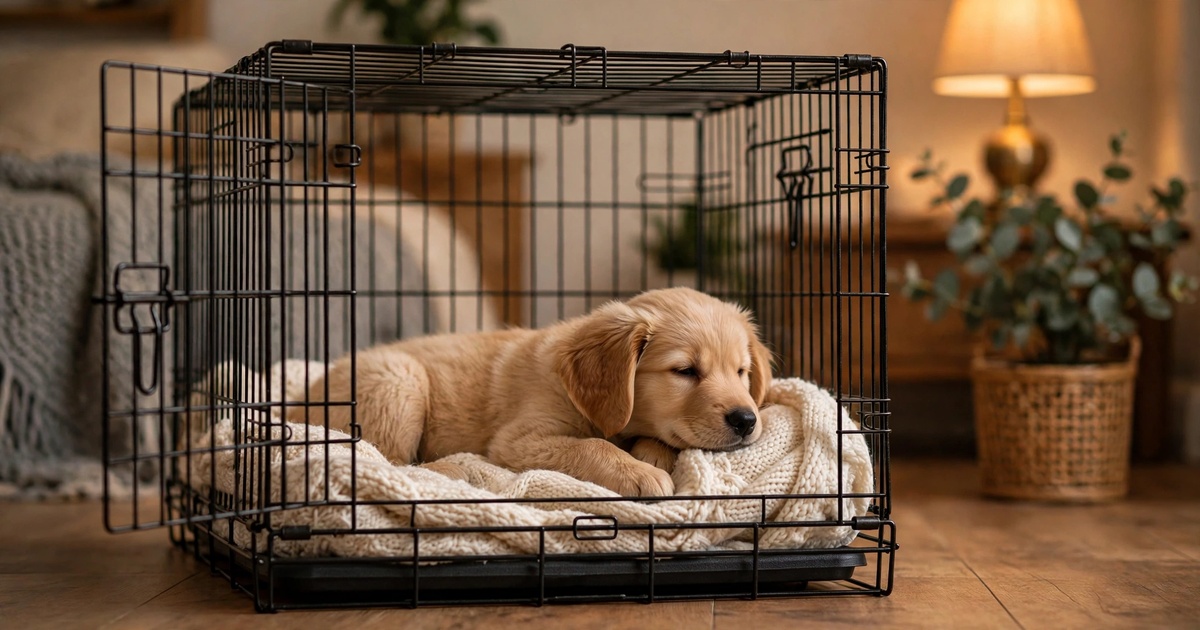
A crate is a tool, not a punishment. Don’t leave your puppy in there longer than they can hold it, and remember that a young puppy shouldn’t be crated for long stretches during the day.
Step 6: Handle nighttime
A young puppy often can’t make it through the night at first. Expect to take an 8-10-week-old out once or twice overnight. Keep these trips quiet and boring: no play, no chatter, straight outside and straight back to the crate. Over the following weeks, the stretch they can hold it will lengthen.
Step 7: Expand freedom slowly
Once your puppy goes a couple of weeks with no accidents, give them access to one more room at a time. If accidents return, go back a step. Moving too fast is one of the most common reasons house training stalls.
What to Do When Your Puppy Has an Accident
Accidents will happen, so plan for them.
- If you catch it mid-act: Make a neutral sound, like a quick “oops,” to interrupt, then calmly carry or lead them outside. Reward if they finish there.
- If you find it later: Just clean it up. Your puppy can’t connect a past accident with your reaction now.
- Clean thoroughly: Use an enzymatic cleaner designed to break down odors. Follow the label and test on a hidden spot first for fabrics.
- Never punish: Don’t scold, rub their nose in it, or yell. This tends to teach puppies to hide when they go, which makes training harder.
If you’re having a lot of accidents, the problem is usually the schedule or supervision, not your puppy. Add more trips and tighten supervision.
Potty Training in an Apartment
Living on a high floor makes quick trips harder, which means more accidents on the way down. A few things help:
- Carry your small puppy to the door or elevator until they’re reliable.
- Keep a leash and treats by the door so you can move fast.
- If you use puppy pads, know the tradeoff: pads can teach your puppy that indoors is okay for going. If your goal is outdoor-only, some owners skip pads or phase them out gradually.
- If you use a balcony or indoor grass patch, keep it consistent and in the same spot.
Potty Training a Rescue Puppy
Rescue puppies may have little or no house-training history. Some have been living in kennels or crowded spaces and may not mind soiling where they sleep. Start from zero: use the same schedule and rewards, and assume they know nothing. Expect more setbacks if your puppy is stressed by a new home, and give them extra time.
Common Potty Training Mistakes
- Giving too much freedom too soon. A puppy who has gone a week with no accidents still needs supervision.
- Skipping trips because “they just went.” Puppies often need to go again soon, especially after play.
- Rewarding late. The treat needs to come within seconds of finishing, outdoors.
- Playing before they go. If outside time means fun, your puppy may forget why they’re there.
- Using the wrong cleaner. Leftover odor invites repeat accidents.
- Punishing accidents. It slows progress and can damage trust.
- Changing the plan constantly. Everyone in the household should follow the same schedule and cue.
Why Your Puppy May Be Regressing
It’s common for a puppy who was doing well to start having accidents again. Possible reasons include too much freedom, a change in routine, a move or new environment, excitement, or simply a lapse in your own consistency. Go back to a stricter schedule for a week or two. If the regression is sudden or comes with other changes, talk to your vet, as a health issue can be involved.
When to See a Vet
Most accidents are a training issue, but sometimes a medical problem is behind them. Call your vet if you notice:
- Frequent urination in small amounts, or straining to pee or poop
- Blood in the urine or stool
- Ongoing diarrhea, or accidents that suddenly increase after your puppy was doing well
- Drinking much more water than usual
- Crying or seeming uncomfortable when going
- Lethargy, vomiting, or loss of appetite along with accidents
Contact a vet or emergency animal clinic immediately if your puppy is straining to urinate and can’t pass anything, seems to be in severe pain, collapses, or has repeated vomiting. Don’t wait to see if it passes.
Your vet can also advise on feeding amounts, vaccination timing (which affects when your puppy can safely visit public outdoor areas), and parasite prevention, since these vary by age, breed, size, and region.
FAQ
How long does it take to potty train a puppy?
Many puppies make good progress within a few weeks, but reliable house training often takes 4-6 months or longer. Small breeds can take more time. Consistency matters more than age, so keep the schedule steady and reward every outdoor success.
How often should I take my puppy out to pee?
Very young puppies (under about 12 weeks) usually need to go out every 1-2 hours, plus after waking, eating, drinking, and playing. As they grow, the gaps lengthen. If your puppy is having accidents, add more trips rather than waiting longer.
Should I use puppy pads or go straight outside?
It depends on your situation. Going straight outside builds the outdoor habit fastest. Pads can help if you live high up or can’t get out quickly, but they can slow the switch to outdoors. If you use them, plan how you’ll phase them out.
Is it okay to punish my puppy for accidents?
No. Punishment doesn’t teach puppies where to go, and it can make them afraid to go in front of you. Interrupt calmly if you catch it, take them out, clean the spot, and reward outdoor success instead.
Why does my puppy pee right after coming inside?
They probably didn’t finish outside, often because they were distracted. Stay with them on a leash, keep it boring until they go, and reward immediately. If it keeps happening, crate or confine them for a short time after coming in, then try again.
When should I worry about potty training problems?
See your vet if you notice straining, blood, frequent small urination, heavy drinking, or sudden changes after your puppy was doing well. These can point to a medical issue that training alone won’t fix.
Final Thoughts
The key to potty train a puppy is simple: frequent trips, quick rewards, and close supervision, repeated every day. Accidents are part of the process, not a sign of failure. If you can only do one thing today, set a schedule and write down your puppy’s trip times for a few days. You’ll quickly see the pattern and can plan around it.
Join our Telegram to get all the updates.
Comments (0)
Be the first to comment.