
 Dog Care
 Cat Care
 Small Pets
 Pet Food & Nutrition
 Training & Behavior
 Pet Care & Grooming
 Pet Gear & Supplies
 New Pet Owners
How to Care for a Dog: A Beginner’s Guide
You’ve just brought a dog home, or you’re about to, and the list of things you’re supposed to get right feels endless. Food, walks, shots, training, chewed shoes. The good news is that learning how to care for a dog comes down to a handful of daily habits and a few yearly ones. This guide covers what your dog needs, what it roughly costs, and the warning signs that mean it’s time to call your vet. It’s written for first-time owners, so it assumes no prior experience.
Quick Answer
- Daily: Feed measured meals of complete-and-balanced dog food, offer fresh water, give exercise and mental stimulation, and spend real time together.
- Weekly: Brush your dog’s coat, check ears, paws, and skin, and practice short training sessions.
- Yearly: Schedule a wellness exam, keep vaccines and parasite prevention current, and have your vet check teeth and weight.
- Always: Use reward-based training, and call your vet when something seems off. Your vet sets the exact plan for your dog’s age, breed, and health.
How to Care for a Dog Every Day
Most of dog care is routine. A predictable day helps a new dog settle in, especially a puppy or a rescue who’s still figuring out your home.
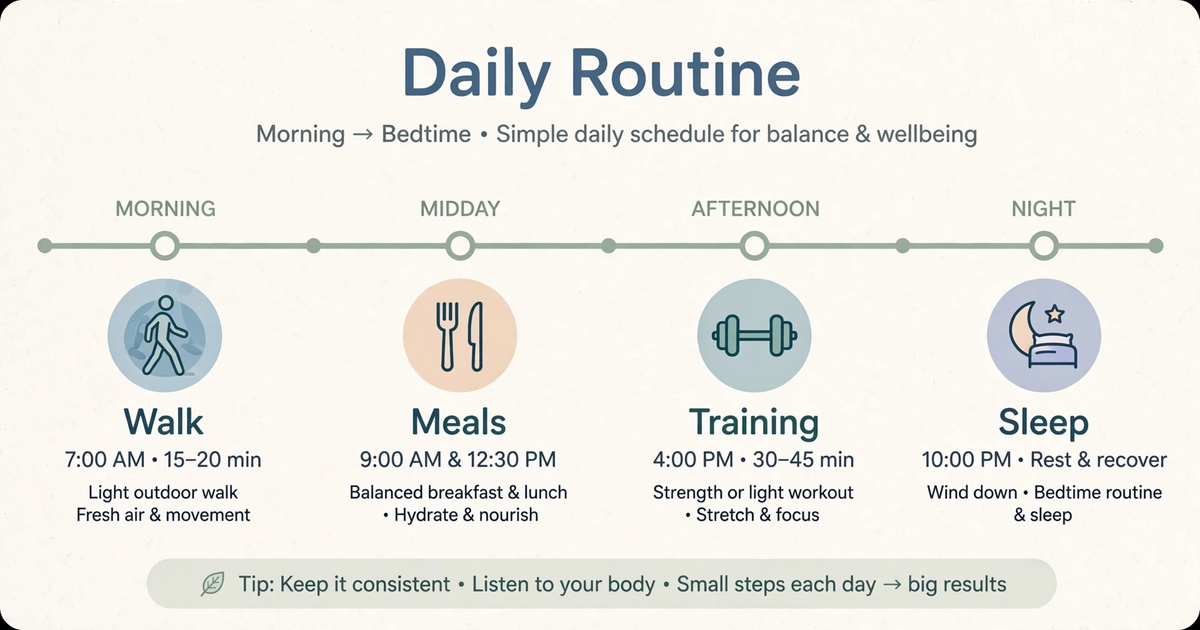
A basic daily rhythm looks like this:
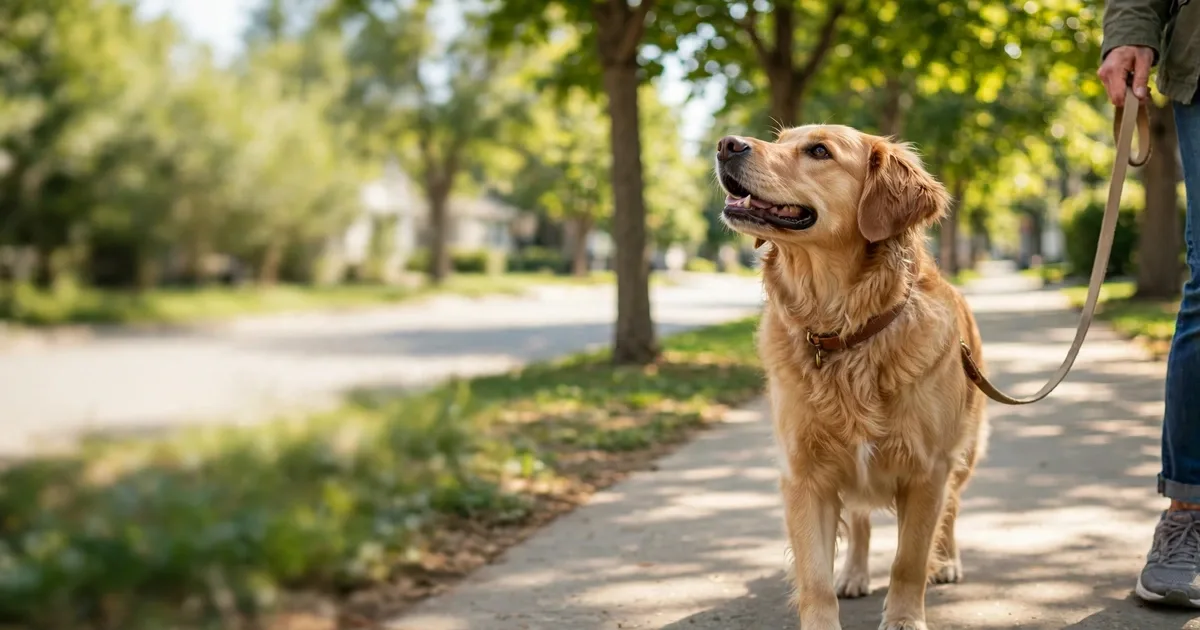
- Morning: Potty break, breakfast, a walk or play session.
- Midday: Water refresh, a bathroom break, and something to chew or sniff.
- Evening: Dinner, another walk, a short training session, and calm time with you.
- Bedtime: One last potty trip and a comfortable place to sleep.
Dogs are social animals. Even a well-exercised dog gets restless and stressed if it spends most of the day ignored, so time with you counts as care, not a bonus.
Set Up Your Home Before Your Dog Arrives
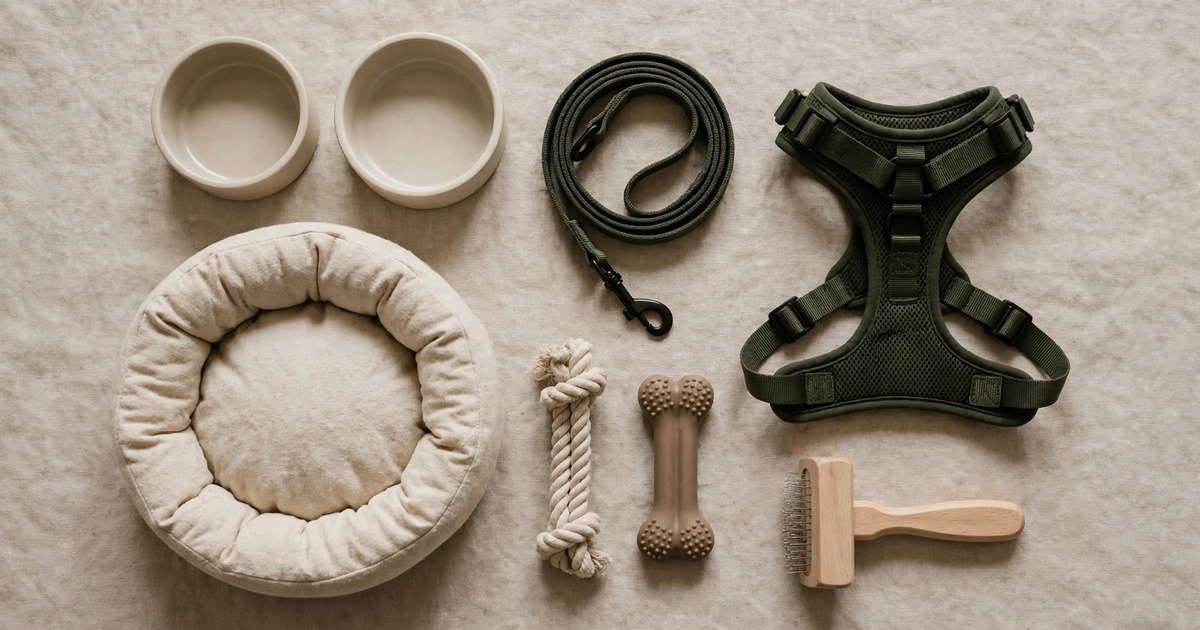
You don’t need a shopping spree. You need the basics, a safe space, and a few small purchases you can adjust as you learn what your dog likes. Prices vary by region and store, so treat these as rough US ranges.
| Item | What to look for | Rough cost (USD) |
|---|---|---|
| Food and water bowls | Stainless steel or ceramic, sized to your dog | $10–$30 |
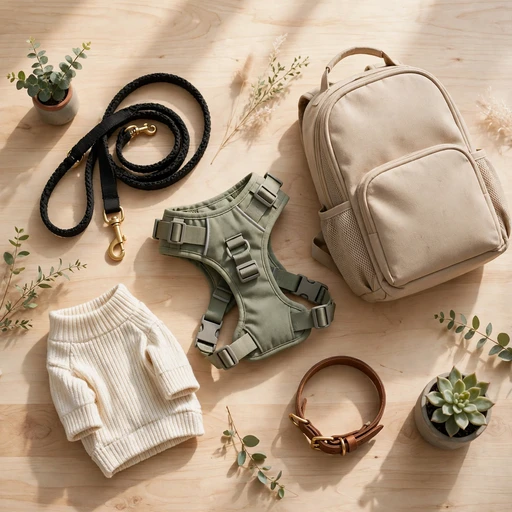
| Collar or harness and leash | Well-fitted, with an ID tag | $20–$60 |
| Crate or playpen | Big enough to stand, turn, and lie down | $40–$150 |
| Bed | Washable, sized for your dog’s full-grown weight | $25–$90 |
| Chew toys and puzzle feeders | Durable, size-appropriate, nothing small enough to swallow | $20–$60 |
| Grooming basics | Brush for the coat type, dog nail clippers, dog toothbrush and toothpaste | $25–$60 |
Then do a quick safety sweep. Put medications, cleaning products, and chocolate out of reach. Tuck away electrical cords, and check which of your houseplants might be toxic to dogs. Your vet or a pet poison helpline can help if you’re unsure about a specific plant.
How to Feed Your Dog
Choose a food labeled “complete and balanced” for your dog’s life stage: puppy, adult, or senior. Large-breed puppies often need food made for large-breed growth, so ask your vet.
Amounts vary a lot by age, size, activity, and health. The feeding guide on the bag is a starting point, not a final answer. Your vet can tell you whether your dog is at a healthy weight and adjust from there.
General patterns:
- Puppies: Usually do best with three to four small meals a day.
- Adult dogs: Typically eat twice a day.
- Senior dogs: May need fewer calories or a different formula, so check in with your vet.
Measure the food instead of eyeballing it. It’s easy to overfeed by accident, and extra weight puts stress on joints and shortens a dog’s healthy years. Treats should be a small part of the daily total.
Keep fresh water available at all times, and wash the bowl regularly.
Foods Your Dog Should Never Eat
Some common human foods are dangerous for dogs. These are well documented as toxic:
- Chocolate
- Grapes and raisins
- Onions, garlic, and chives
- Xylitol (a sweetener found in some gum, candy, and peanut butters)
- Macadamia nuts
- Alcohol and unbaked yeast dough
How serious a case is depends on the amount eaten and your dog’s size. If your dog gets into any of these, call your vet or a pet poison helpline right away instead of waiting for symptoms.
Exercise and Mental Stimulation
A tired dog is usually a calmer dog, but “tired” means mind and body.
Needs vary widely. A young border collie may need far more activity than a senior bulldog. As a rough guide, many adult dogs do well with 30 to 60 minutes of activity a day, split into a couple of outings. High-energy breeds often need more, and flat-faced breeds can struggle in heat and need gentler exercise.
Puppies tire quickly and their joints are still developing, so keep sessions short and avoid long runs or lots of jumping. Ask your vet when it’s safe to increase activity.
Physical exercise isn’t enough on its own. Add some brain work:
- Sniff walks: Let your dog stop and sniff. It’s mentally tiring in a good way.
- Puzzle feeders and snuffle mats: Make meals last longer.
- Short training games: Five minutes of “find it” or “touch” counts.
If your dog is chewing furniture or barking for attention, check first whether it needs more activity or stimulation.
Start Training Early, and Keep It Reward-Based
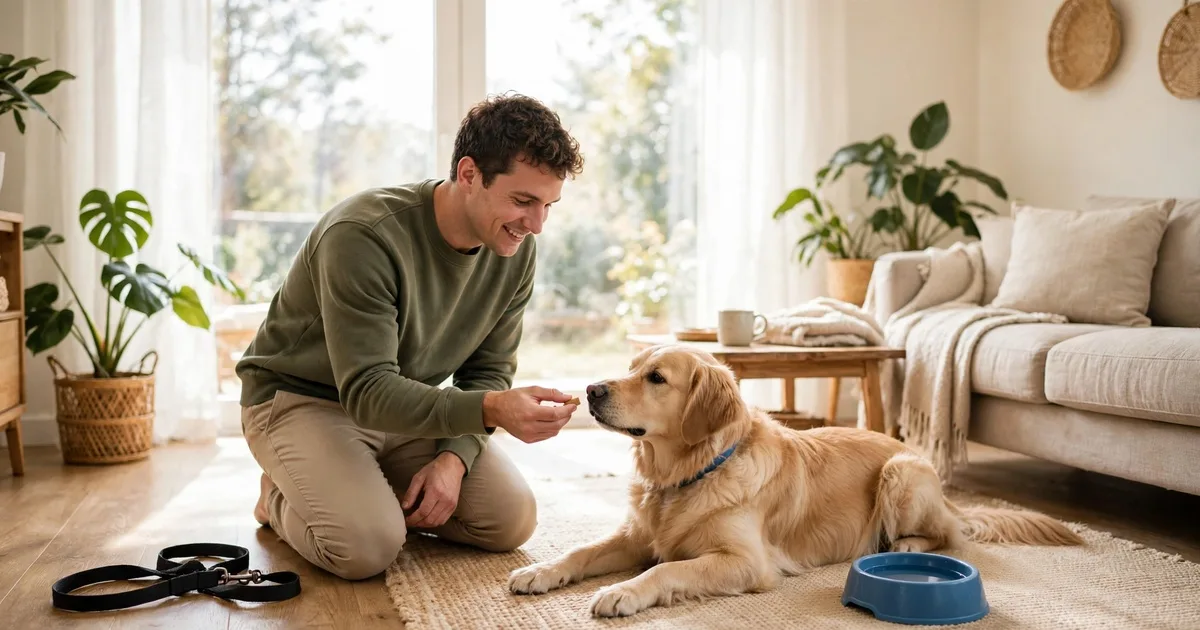
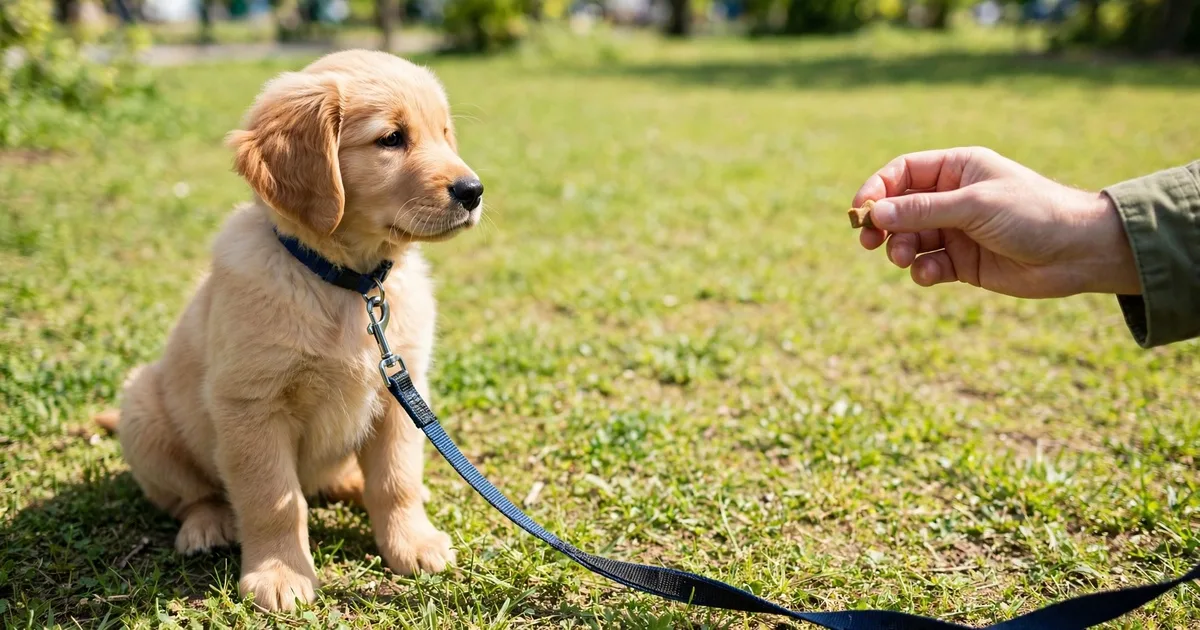
Training is part of care, because it keeps your dog safe and makes daily life easier. Use reward-based methods: treats, praise, toys, and play for behavior you like. Skip punishment, yelling, and harsh tools. They can increase fear and make behavior problems worse.
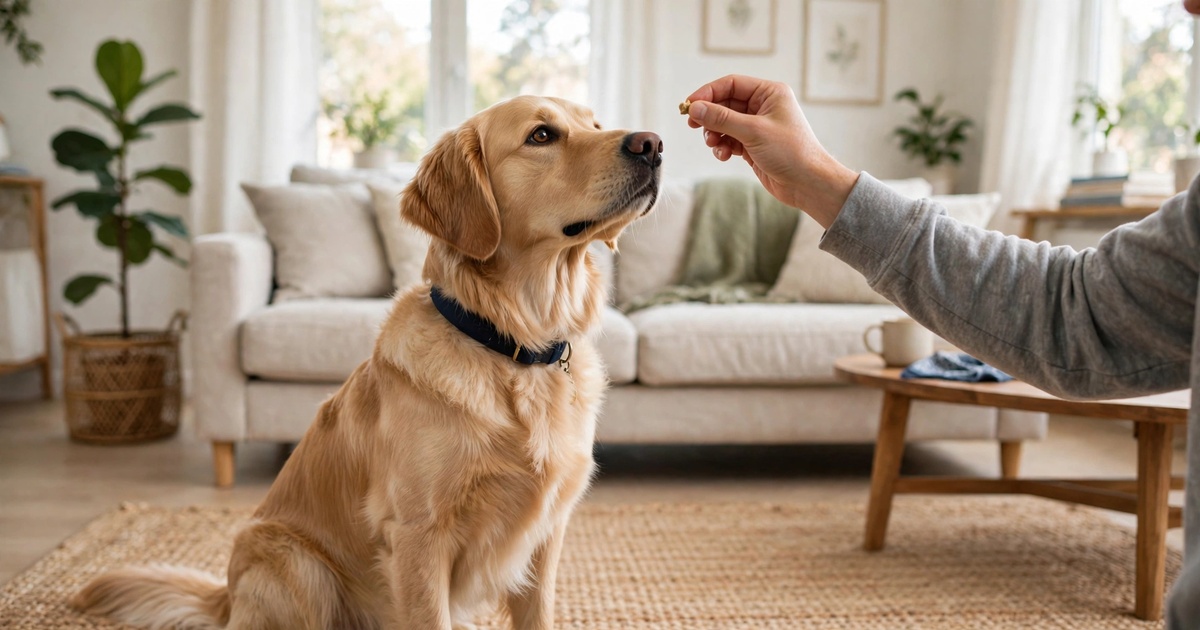
Start with these basics:
- Name recognition: Say the name, and reward when your dog looks at you.
- Sit: Hold a treat above the nose, move it back slowly, and reward the moment the rear hits the floor.
- Come: Practice indoors first, in a happy voice, and reward every success.
- Leave it: Teaches your dog to ignore items on command. It’s a real safety skill.
- Loose-leash walking: Reward your dog for staying near you, and stop moving when the leash tightens.
Keep sessions short, about five minutes, and end on a success.
House Training Timeline
House training takes patience. A common rule of thumb is that a puppy can hold its bladder about one hour per month of age, though that varies. Take your puppy out after waking, eating, drinking, and playing, and reward right after it goes outside. Accidents happen. Clean them with an enzyme cleaner and move on without scolding.
Most puppies take several weeks to a few months to get reliable, and some take longer. Rescues and adult dogs may need a similar reset in a new home.
If Progress Stalls
Lack of progress usually means the task is too hard, the treats aren’t exciting enough, or there are too many distractions. Go back a step, use higher-value treats, and practice somewhere quieter. If your dog is stuck on a behavior for weeks, a certified force-free trainer can help.
Vet Care: Vaccines, Parasites, and Checkups
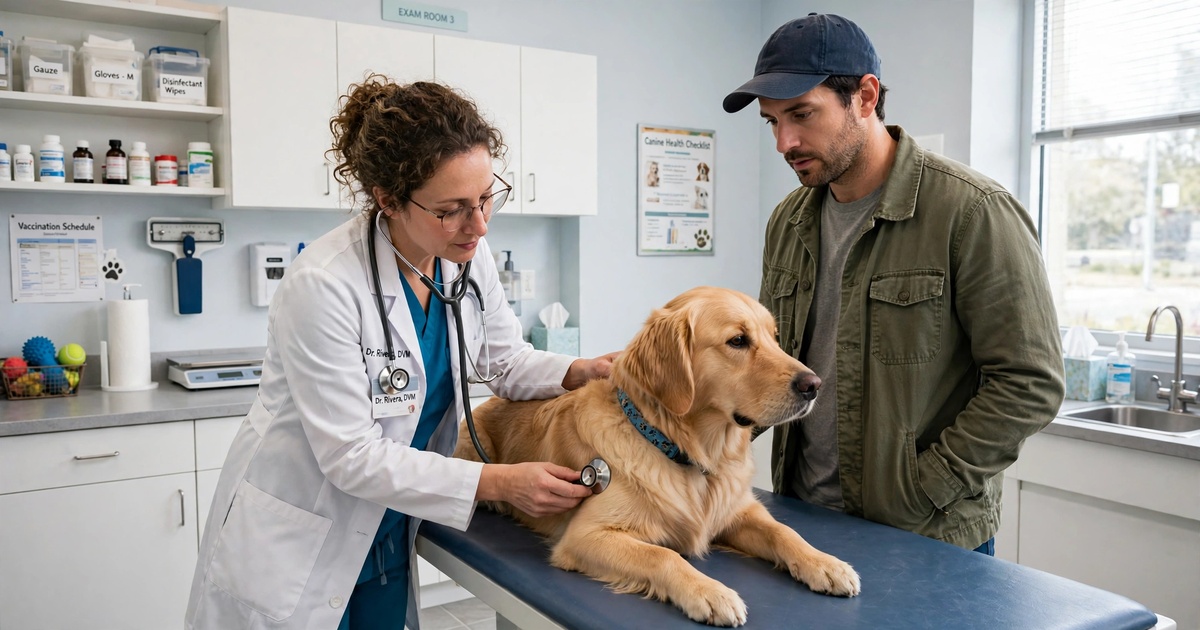
Book a vet visit soon after your dog comes home, ideally within the first week. Your vet will check overall health, discuss food, and set a plan.
Core areas of routine care:
- Vaccines: Schedules depend on your dog’s age, health, and where you live. Some, like rabies, are required by law in many places. Your vet will set the schedule.
- Parasite prevention: Fleas, ticks, heartworm, and intestinal worms are all risks. Which products you need depends on your region and your dog, so follow your vet’s advice instead of guessing.
- Spay or neuter: Timing varies by breed, size, and health. Talk to your vet about what’s best for your dog.
- Microchip and ID tags: A microchip registered with current contact info and a tag on the collar greatly improve the odds of getting a lost dog back.
Adult dogs generally need a wellness exam about once a year, and seniors often benefit from more frequent checkups.
Basic Grooming at Home
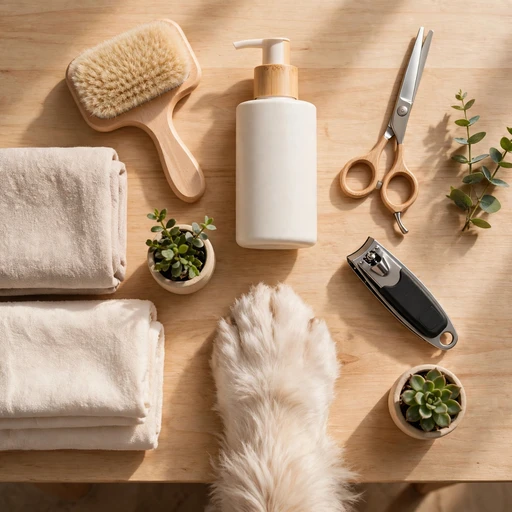
Grooming is health care, not just looks. A weekly check lets you spot lumps, skin problems, ear trouble, and sore paws early.
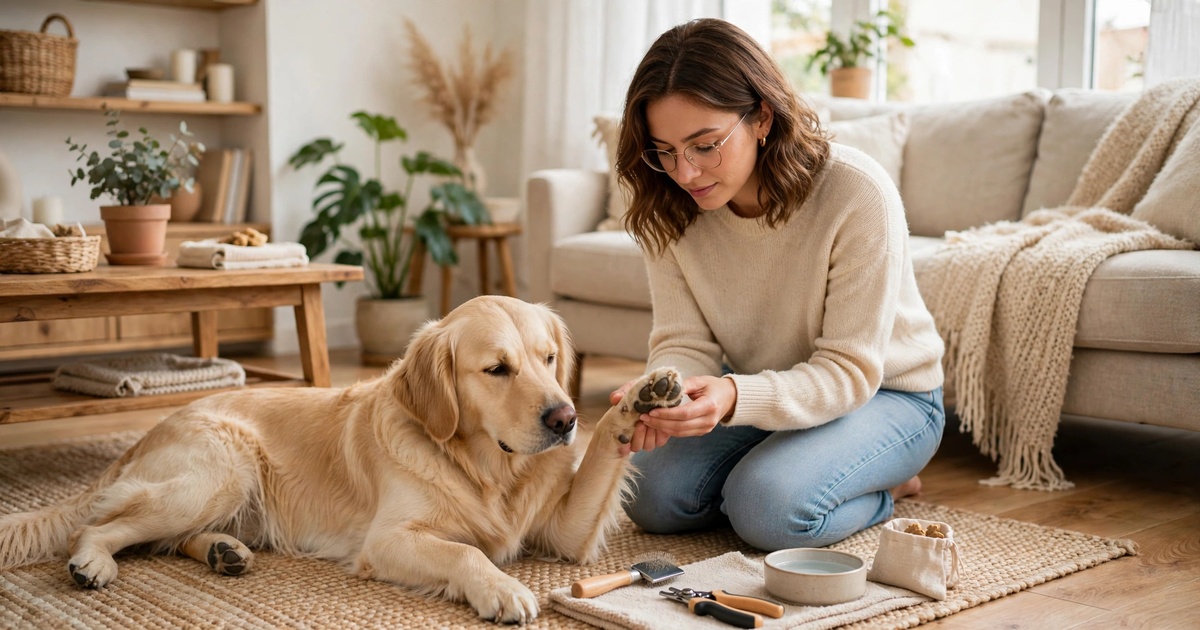
- Brushing: Short coats need a weekly brush, while long or curly coats may need daily brushing to prevent mats.
- Baths: Only as often as needed, using a dog-specific shampoo. Human shampoo can irritate canine skin.
- Nails: Trim every few weeks, or when you hear clicking on the floor. Cutting too short hits the quick, which hurts and bleeds. If your dog has dark nails, trim tiny bits at a time, or ask a groomer or vet tech to show you first.
- Ears: Look for redness, odor, or discharge. Don’t push anything deep into the ear canal. If something looks wrong, call your vet instead of experimenting.
- Teeth: Daily brushing with dog toothpaste is ideal, and several times a week is still helpful. Never use human toothpaste.
Removing a tick yourself carries risks, since leaving the head behind can cause infection. If you’re not confident, have your vet do it.
Socialization and Time Alone
Puppies have a key socialization window in their first few months, when positive new experiences matter most. Introduce new people, sounds, surfaces, and calm dogs gradually, and keep each experience pleasant. Check with your vet about when your puppy is safe around other dogs based on vaccine status.
Adult and rescue dogs can learn too, but go slowly and let them set the pace.
Teach your dog to be alone in small steps. Start with a few minutes, give a chew or puzzle toy, and build up slowly. Leaving a dog alone for too long, especially a puppy, can cause distress and accidents. If your schedule is long, consider a midday walker or a friend who can help.
What Does It Cost to Care for a Dog?
Costs vary widely by location, dog size, and health. These are rough US ranges, so check local prices:
- First-year setup and puppy care: Roughly $500–$2,000+, including supplies, vaccines, and spay or neuter.
- Food: Roughly $30–$100 per month, depending on size and food type.
- Routine vet care: Roughly $200–$600 per year for exams, vaccines, and prevention.
- Grooming: $0 if you do it yourself, or roughly $40–$120 per professional session for some coats.
- Emergencies: These can run from hundreds to several thousand dollars. Pet insurance or a savings fund is worth considering.
Common Beginner Mistakes
- Overfeeding: Measure meals and count treats.
- Skipping the vet: Wait for a problem and you miss easy prevention.
- Expecting too much too fast: Dogs need weeks or months to settle in.
- Using punishment: It damages trust and often makes behavior worse.
- Too little exercise or stimulation: Boredom drives many “bad” behaviors.
- Giving human medication: Many common medicines are toxic to dogs. Always ask your vet first.
When to See a Vet
Call your vet if you notice any of the following:
- Vomiting or diarrhea lasting more than a day, or any blood in either
- Not eating or drinking for 24 hours, or a sudden big change in appetite
- Limping, stiffness, or signs of pain
- Ongoing itching, hair loss, red skin, or ear odor
- Lethargy, or a sudden change in behavior
- Pale gums, or a lump that’s new or growing
- Straining to urinate or a major change in urination
Go to a vet or emergency clinic immediately for:
- Suspected poisoning, such as eating chocolate, xylitol, grapes, or medication
- Trouble breathing or constant coughing
- Collapse or loss of consciousness
- Seizures
- A swollen, hard belly with unproductive retching, which can signal bloat, especially in deep-chested breeds
- Heat stroke signs like heavy panting, drooling, and weakness
If you’re unsure whether it’s an emergency, call your vet or an emergency clinic. It’s always better to ask.
FAQ
How often should I walk my dog?
Most adult dogs do well with at least two walks a day, but needs vary by breed, age, and health. Puppies and seniors usually need shorter, more frequent outings. If your dog seems restless or destructive, it may need more activity or mental stimulation.
How often should I feed my dog?
Adult dogs typically eat twice a day, and puppies usually need three to four smaller meals. Measure portions based on your vet’s guidance and your dog’s weight. Senior dogs and dogs with health conditions may need a different schedule.
How often does a dog need to go to the vet?
Healthy adult dogs usually need a wellness exam once a year, while puppies need several visits in their first months for vaccines and checks. Senior dogs often benefit from exams twice a year. Visit sooner whenever something seems off.
Can I leave my dog alone all day?
It’s not ideal. Most adult dogs can handle several hours alone if they’ve had exercise and a bathroom break, but a full workday is hard, and puppies need much more frequent breaks. Consider a dog walker, a trusted friend, or a schedule change.
What are the most important things for a new dog owner to know?
Stick to a routine, feed measured meals, and keep up with vet care. Train with rewards, and give plenty of exercise and attention. Learn the warning signs that need a vet, and give your dog time to adjust.
Start Simple
Good dog care isn’t complicated: consistent meals, daily exercise, reward-based training, regular vet visits, and attention to changes. You’ll make mistakes, and that’s normal. This week, book a wellness visit if you haven’t yet, and ask your vet to help you build a feeding and prevention plan for your dog.
Join our Telegram to get all the updates.


Comments (0)
Be the first to comment.