
 Dog Care
 Cat Care
 Small Pets
 Pet Food & Nutrition
 Training & Behavior
 Pet Care & Grooming
 Pet Gear & Supplies
 New Pet Owners
How to Choose the Right Dog Bed for Your Dog’s Size
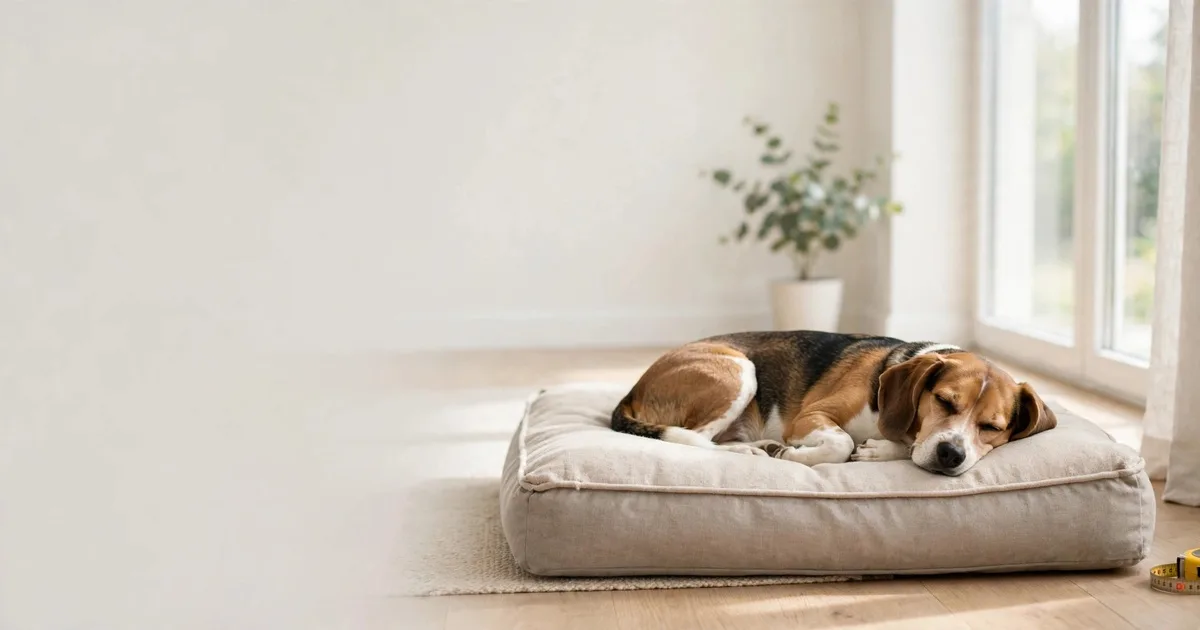
Your dog circles the new bed twice, sniffs it, and lies down on the bare floor next to it. Or the bed looked huge in the photos and arrived the size of a dinner plate. Choosing the right dog bed for your dog’s size takes more than reading the weight on the tag. It depends on how long your dog is, how they sleep, and how much they’ll grow or slow down. This guide shows you how to measure, read size labels, and pick a bed your dog will actually use.
A quick note on how this guide was built: it’s based on sizing conventions, product specs, and common owner reports, not hands-on testing of individual beds.
Quick Answer: How to Pick a Bed Size
- Measure your dog from nose to base of tail while they sleep in their usual position, then add 4 to 6 inches (10 to 15 cm).
- Use weight as a rough guide only. Brand size labels like “medium” or “large” vary a lot.
- Sprawlers need more length. Curlers and burrowers do well with a smaller, higher-sided bed.
- If your dog is between sizes, size up for most dogs and size down for dogs who like to feel tucked in.
- Puppies can grow out of a bed fast, so buy a size that fits now or plan to replace it.
Why Bed Size Matters More Than You’d Think
A bed that’s too small forces your dog to hang a leg or their head off the edge. They’ll often give up and sleep on the floor, which leaves you with a bed that’s just an expensive decoration.
A bed that’s far too big can be a problem too. Some dogs, especially anxious or small ones, like walls and edges around them. Lying in the middle of a huge flat bed can feel exposed.
For older dogs and large breeds, a good fit also affects how they get up and down. A dog who sinks into a bed that’s too soft or too narrow may struggle to stand. The right size supports the whole body, including elbows and hips, instead of letting them hit the floor.
How to Measure Your Dog for a Bed
You only need a soft measuring tape or a piece of string and a ruler.
- Watch how your dog sleeps for a few days. Notice whether they stretch out, curl up, or lean against something. Your measurements should match their favorite position, not a posed one.
- Measure length. Run the tape from the tip of the nose to the base of the tail (where the tail meets the body) while your dog is lying down or standing relaxed. Don’t include the tail, since most dogs don’t lay it straight.
- Add room. Add 4 to 6 inches (10 to 15 cm) to that number. For a dog who sprawls fully, add closer to 6 or more.
- Measure width for sprawlers. If your dog lies on their side with legs out, measure shoulder to rump width across the body too, and check that against the bed’s inner sleeping area.
- Check the interior, not the outside. On bolster or raised-edge beds, the listed size often includes the bolsters. The usable sleeping space inside is smaller. Look for an “inner dimension” or “sleeping surface” number.
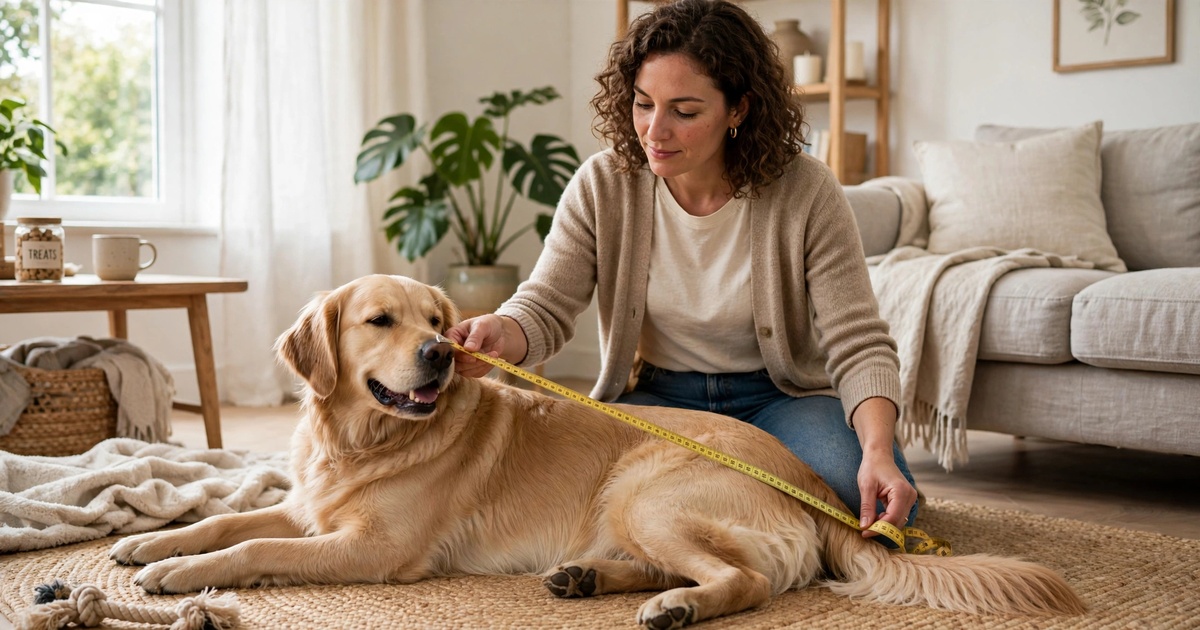
Realistically, this takes five minutes. It beats returning a bed that doesn’t fit.
Dog Bed Size Chart by Weight
Use this table as a starting point, then check it against your measurement. These ranges are rough and manufacturers differ.
| Dog size | Typical weight | Approximate bed length |
|---|---|---|
| Extra small | Under 10 lb (4.5 kg) | 18 to 22 in (45 to 55 cm) |
| Small | 10 to 25 lb (4.5 to 11 kg) | 22 to 28 in (55 to 70 cm) |
| Medium | 25 to 50 lb (11 to 23 kg) | 30 to 36 in (75 to 90 cm) |
| Large | 50 to 90 lb (23 to 41 kg) | 36 to 44 in (90 to 110 cm) |
| Extra large / giant | Over 90 lb (41 kg) | 44 to 54 in (110 to 135 cm) |
Weight can mislead. A 45 lb (20 kg) whippet is long and lean, while a 45 lb bulldog is short and wide. They’ll need different beds even though they weigh the same. Always trust your tape measure over the label.
Match the Bed to How Your Dog Sleeps
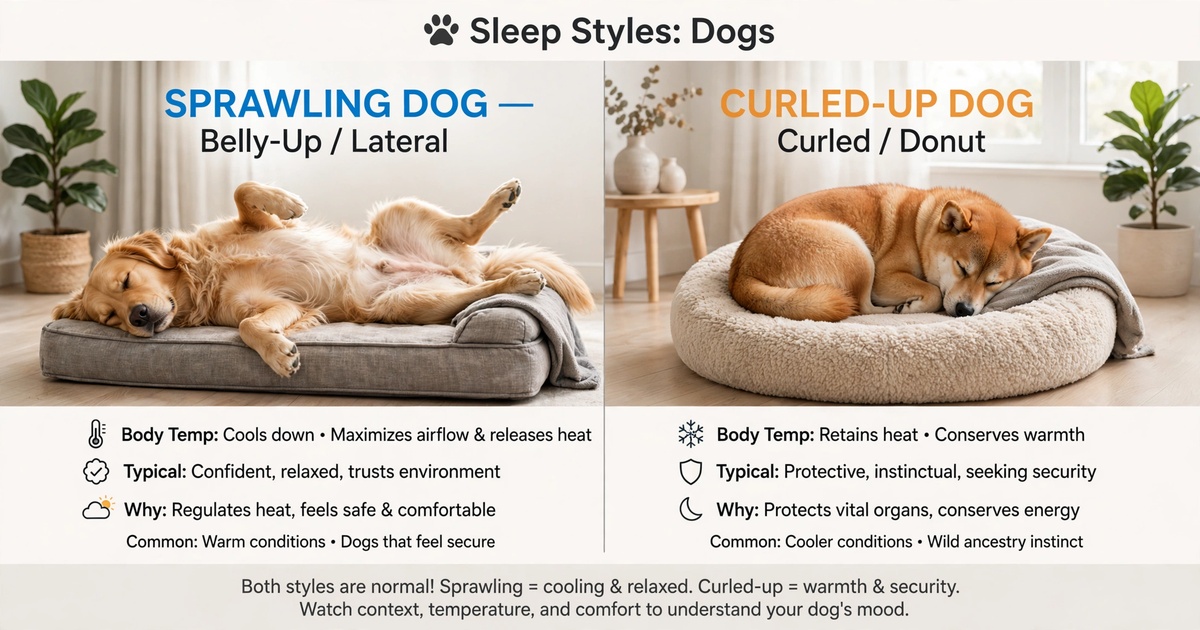
Size is only half the answer. The shape matters, and it depends on your dog’s sleep style.
Sprawlers
These dogs stretch out flat on their side or belly. They need a larger flat or low-bolster bed, or a mat with plenty of length. A deep donut bed will feel cramped.
Curlers
Curlers tuck their nose to their tail. A round or oval bed with soft raised edges works well here. The bed can be closer to their curled size, which is often smaller than their full standing length.
Leaners
Many dogs rest their head on something. A bolster or raised edge gives them a built-in pillow. Look for one that’s high enough on at least one side.
Burrowers
Dogs who dig and tunnel into blankets often like caves, hooded beds, or beds with a soft blanket on top. Make sure the bed is large enough that your dog can turn around inside without getting stuck.
Choosing by Life Stage
Puppies
Puppies grow quickly, and big breeds can outgrow a bed in a few months. You have two sensible options. You can buy a mid-priced bed sized for their current length and replace it later, or buy an adult-size bed and use a rolled towel or crate divider to make it feel snug for now.
Skip the expensive memory foam for now. Puppies chew, have accidents, and don’t need orthopedic support yet. A washable, tough cover matters more. If you’re also working on house training, our guide on how to potty train a puppy can help you decide when a plush bed is worth the risk.
Adult dogs
Adults are the easiest to fit. Measure, use the chart as a double-check, and choose a style based on sleep position. A bed with a removable, machine-washable cover will save you effort over the long run.
Senior dogs
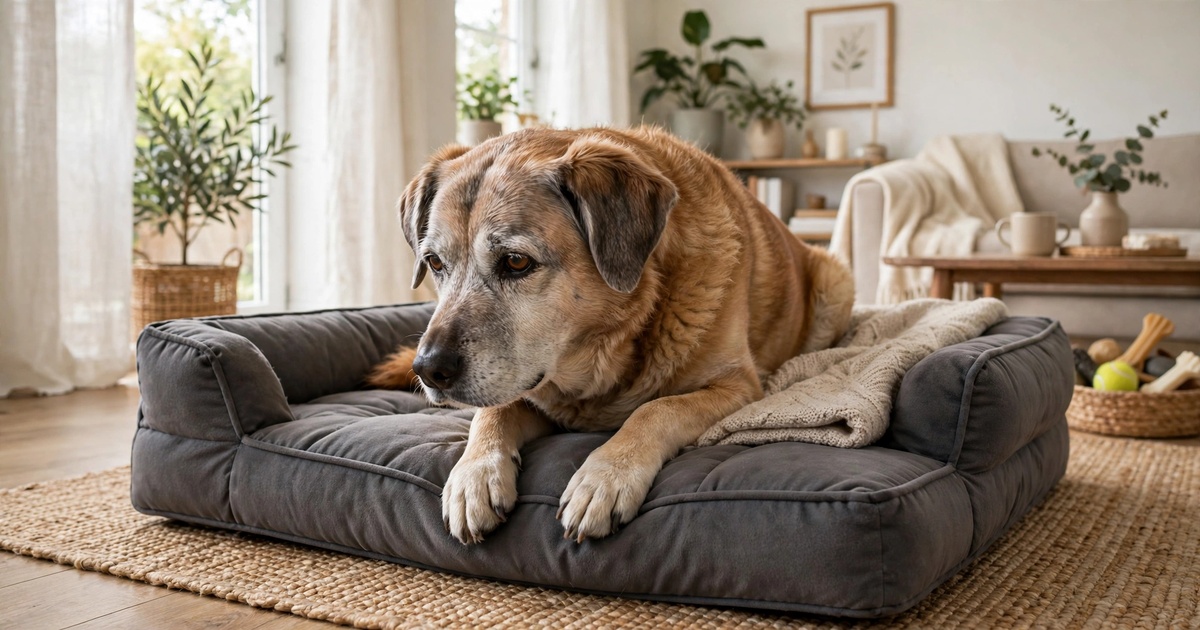
Older dogs often move more slowly and take longer to settle. Look for a low entry edge so they don’t have to step over a tall bolster, a thicker supportive base, and a size large enough that they can change position without hitting the floor. Slip-resistant bottoms help on hardwood or tile.
If your senior dog suddenly stops using their usual bed, seems stiff, or struggles to get comfortable, mention it to your vet. A better bed can help with comfort, but it isn’t a substitute for a checkup.
Dog Bed Types Compared
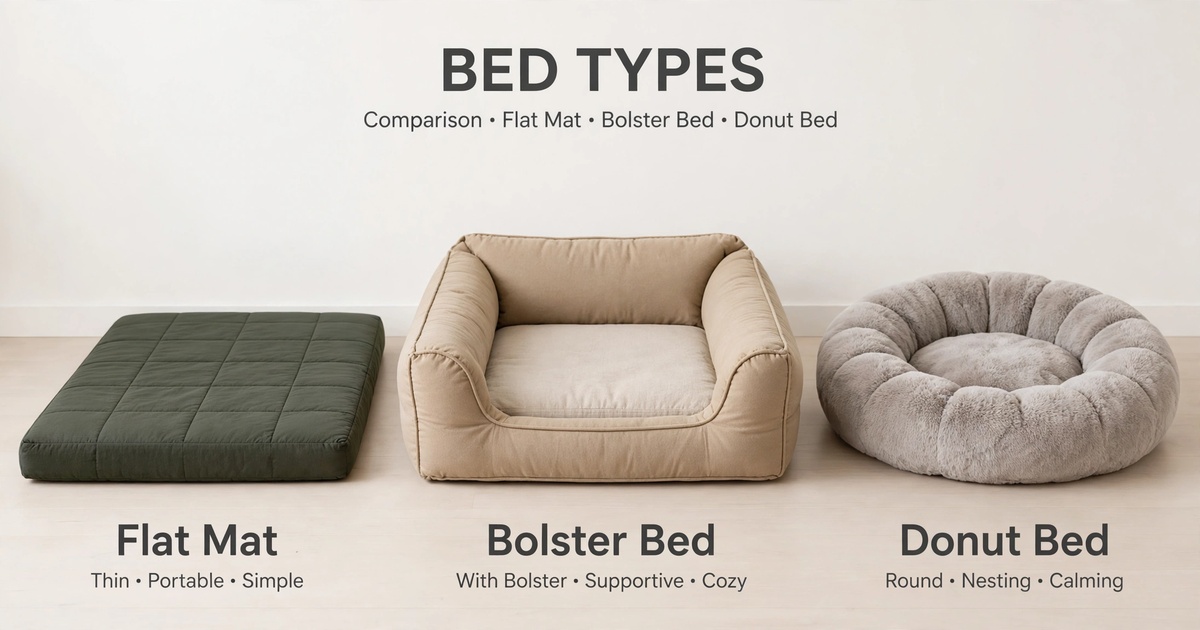
Prices are rough U.S. ranges and vary by retailer and season.
| Bed type | Best for | Roughly | Honest downside |
|---|---|---|---|
| Flat mat / pad | Sprawlers, hot sleepers, crates | $20 to $50 | Little support or edge comfort |
| Bolster / cushion edge | Leaners, medium and large dogs | $30 to $90 | Edges can reduce usable floor space |
| Orthopedic memory foam | Large, heavy, or senior dogs | $50 to $200+ | Heavier, costs more, can run warm |
| Donut / cuddler | Small dogs, curlers, anxious dogs | $25 to $70 | Too cramped for sprawlers |
| Elevated cot | Hot climates, outdoor or porch use | $30 to $90 | Firm and less cozy for some dogs |
| Crate pad | Crate-trained dogs | $15 to $60 | Must match crate dimensions exactly |
Who should skip an orthopedic bed? Young, healthy dogs who chew bedding. Foam is a poor use of money for them, and chewed foam is a swallowing risk. A tough, simple mat is a better fit until the chewing phase passes.
Who should skip a donut bed? Large dogs who like to stretch out, since most donut beds are too small for sprawling.
What to Do When Your Dog Is Between Sizes
You measure and land between two listed sizes. Here’s a simple way to choose:
- Size up if your dog sprawls, runs warm, is still growing, or is a heavy breed.
- Size down if your dog is a curler, anxious, or likes feeling surrounded.
- Consider a flat bed if you can’t decide. Flat beds are more forgiving of small size differences.
Real-life example: a first-time owner in an apartment has a 40 lb (18 kg) beagle mix who curls up on the couch corner. A medium bolster bed at the lower end of the range will probably feel better than a large one, because the dog wants walls close by.
Common Mistakes to Avoid
- Buying by weight only. Body shape changes the right size a lot.
- Ignoring inner dimensions. A “36-inch” bed with thick bolsters may only have 26 inches of sleeping space.
- Buying for the dog you want. If your dog hates cuddling in a donut, a donut won’t change that.
- Forgetting the room. Check the space where the bed will go. A giant bed in a small room may end up pushed aside.
- Skipping the cover. A bed that can’t be washed will smell, and that gets worse for senior dogs with leaks or dogs that shed heavily.
- Placing the bed in the wrong spot. Most dogs prefer a quiet corner near family activity, away from drafts and loud appliances.
For more on everyday routines and basics, see our overview on how to care for a dog.
Helping Your Dog Accept a New Bed
Even the perfect size can get ignored at first. Put the bed where your dog already likes to rest. Add a worn T-shirt or a familiar blanket so it smells like home. Reward calm behavior near the bed with treats and praise, and let your dog approach on their own schedule. Never force a dog onto it or scold them for ignoring it. Give it a few days to a couple of weeks before deciding it’s a miss.
When to See a Vet
A bed can improve comfort, but it can’t fix a health problem. Call your vet if you notice:
- Your dog has trouble getting up, limps, or won’t jump onto furniture or into the car like they used to.
- They seem unable to settle at night, change position often, or whine when lying down.
- You see red, hairless, or sore patches on elbows, hips, or hocks, which can come from lying on hard surfaces.
- They suddenly avoid their bed after sleeping in it for months.
- They pant at rest or seem restless without an obvious reason.
Go to a vet or emergency animal clinic right away if your dog has swallowed bed stuffing, foam, or fabric and is vomiting repeatedly, retching without bringing anything up, seems very tired, has a tight or painful belly, or can’t pass stool. Don’t wait for it to pass.
Frequently Asked Questions
Should a dog bed be bigger than the dog?
Yes, in most cases. Aim for 4 to 6 inches (10 to 15 cm) longer than your dog’s nose-to-tail-base length. Dogs who sprawl need extra room. Dogs who curl up or like tight spaces can use a bed closer to their size.
What size bed does a medium dog need?
Medium dogs usually fit beds around 30 to 36 inches (75 to 90 cm) long, but check your measurement. A long, lean medium dog may need more length than a short, stocky one of the same weight.
Do dogs really need orthopedic beds?
Not all do. Large, heavy, and senior dogs often benefit from thicker, supportive foam. Young, healthy, small dogs usually do fine with a standard bed. If you’re unsure, your vet can say whether extra support is worth it for your dog.
Should I buy an adult-size bed for a puppy?
You can, but it may feel too open. Use a rolled towel or crate divider to shrink the space while they grow. Many owners buy a cheaper bed first, since puppies tend to chew or have accidents.
Is it okay if my dog hangs over the edge?
Occasionally, yes. Dogs sometimes rest a chin or paw on the floor. But if they regularly sleep with legs or hips off the edge, or skip the bed completely, it’s probably too small.
Final Thoughts
The most useful thing you can do is measure your dog in their natural sleeping position and add a few inches. Then pick a shape that suits how they sleep, and treat weight charts as a backup check. Before you buy, look at the bed’s inner sleeping space and cover care. Your next step: grab a tape measure tonight and write down your dog’s length while they’re asleep.
Join our Telegram to get all the updates.


Comments (0)
Be the first to comment.